

Online courses directory (10358)
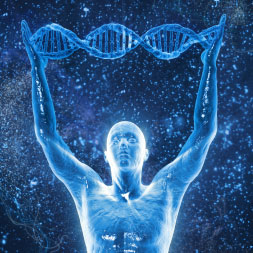
Heredity is the genetic transmission of characteristics from parent to offspring. Many of these characteristics, particularly the dominant ones, have a physical manifestation like hair colour or colour blindness, but other traits can skip generations until the right combination of genes allows a regressive trait to appear. This free online course about heredity will look at how traits are passed on, why some traits form part of our physical makeup and why we only carry others in our genes but never express them. You will learn how to work out ratios of traits that are present in both the genotype and phenotype using the Punnett Square method and the Hardy-Weinberg Principle. You will also learn how bacteria change their DNA over time and how this impacts on human health. Similarly you will learn how viruses replicate and how they can change human DNA. This free online heredity course will be of great interest to all learners who wish to pursue a career in sciences such as biology, medicine, zoology or botany and to any individual who simply wants to learn more about how traits are inherited and changed.<br />

Biology 101: Intro to Biology is designed to be used to prepare you to earn real college credit by passing the Biology CLEP exam . This course covers topics that are included on the exam, such as genetics, physiology, plant and animal biology, ecology and evolution. Use it to help you learn what you need to know about biology topics to succeed on the exam.
The biology instructors are experienced and knowledgeable educators who have put together comprehensive video lessons in categories ranging from Mendel's first law to the anatomy of the brain. Each category is broken down into smaller chapters that will cover topics more in-depth. These video lessons make learning fun and interesting. You get the aid of self-graded quizzes and practice tests to allow you to gauge how much you have learned.
Learn to differentiate between DNA and RNA and between mitosis and meiosis through Education Portal's chapter on basic genetics. Our team of professional educators, who have experience in biology, designed the video lessons in this chapter to be brief and easy to follow. You'll get an overview of genetics before exploring more complex topics, like DNA mutation and comparative genomics. Other topics covered in this chapter include cloning and genetic modification. To be sure you've mastered the material covered in each video lesson, you can take the accompanying self-assessment quiz. Biology 102: Basic Genetics can help you prepare for the Excelsior College Basic Genetics exam ; passing this exam can earn you actual college credit.
Get a basic overview of microbiology before exploring advanced topics like bacterial cell morphology, nitrogen fixation and protozoan diseases through this online Education Portal course, Biology 103: Microbiology. Watch our video lessons on STDs, bacterial diseases and foodborne illnesses as you prepare to earn real college credit through the Microbiology Excelsior Exam . Though the subjects covered in these lessons are somewhat intense, our experienced, knowledgeable instructors have kept the videos brief, engaging and easy to follow. You also can benefit from the multiple-choice quizzes and written transcripts that complement each video.
Get a basic overview of microbiology before exploring advanced topics like bacterial cell morphology, nitrogen fixation and protozoan diseases through this online Education Portal course, Biology 103: Microbiology. Watch our video lessons on STDs, bacterial diseases and foodborne illnesses as you prepare to earn real college credit through the Microbiology Excelsior Exam . Though the subjects covered in these lessons are somewhat intense, our experienced, knowledgeable instructors have kept the videos brief, engaging and easy to follow. You also can benefit from the multiple-choice quizzes and written transcripts that complement each video.
Get a basic overview of microbiology before exploring advanced topics like bacterial cell morphology, nitrogen fixation and protozoan diseases through this online Education Portal course, Biology 103: Microbiology. Watch our video lessons on STDs, bacterial diseases and foodborne illnesses as you prepare to earn real college credit through the Microbiology Excelsior Exam . Though the subjects covered in these lessons are somewhat intense, our experienced, knowledgeable instructors have kept the videos brief, engaging and easy to follow. You also can benefit from the multiple-choice quizzes and written transcripts that complement each video.

Introduction to cell structure & function, molecular & organism genetics, animal development, form & function.
This free online learning course introduces the learner to the basic principles of Psychology from both a behavioural and biological perspective. The topics include classical and operant conditioning, the brain and the nervous system, stress and states of consciousness. All ALISON graduates are entitled to certification. This free Psychology course is an excellent complement to face-to-face classes and as a study guide or for those who would like to familiarise themselves with the fundamentals of Psychology.<br />

Are you interested in learning how to program (in Python) within a scientific setting? This course will cover algorithms for solving various biological problems along with a handful of programming challenges helping you implement these algorithms in Python. It offers a gentler-paced alternative to the first course in our Bioinformatics Specialization (Finding Hidden Messages in DNA).
Diffusion and Osmosis. Parts of a cell. Chromosomes, Chromatids, Chromatin, etc.. Mitosis, Meiosis and Sexual Reproduction. Phases of Mitosis. Phases of Meiosis. Embryonic Stem Cells. Cancer. Diffusion and Osmosis. Parts of a cell. Chromosomes, Chromatids, Chromatin, etc.. Mitosis, Meiosis and Sexual Reproduction. Phases of Mitosis. Phases of Meiosis. Embryonic Stem Cells. Cancer.
ATP: Adenosine Triphosphate. Introduction to Cellular Respiration. Oxidation and Reduction Review From Biological Point-of-View. Oxidation and Reduction in Cellular Respiration. Krebs / Citric Acid Cycle. Glycolysis. Electron Transport Chain. Oxidative Phosphorylation and Chemiosmosis. ATP: Adenosine Triphosphate. Introduction to Cellular Respiration. Oxidation and Reduction Review From Biological Point-of-View. Oxidation and Reduction in Cellular Respiration. Krebs / Citric Acid Cycle. Glycolysis. Electron Transport Chain. Oxidative Phosphorylation and Chemiosmosis.
Introduction to Evolution and Natural Selection. Ape Clarification. Intelligent Design and Evolution. Evolution Clarification. Natural Selection and the Owl Butterfly. DNA. Variation in a Species. Introduction to Evolution and Natural Selection. Ape Clarification. Intelligent Design and Evolution. Evolution Clarification. Natural Selection and the Owl Butterfly. DNA. Variation in a Species.
Introduction to Heredity. Punnett Square Fun. Hardy-Weinberg Principle. Sex-Linked Traits. Genetics 101 Part 1: What are genes?. Genetics 101 Part 2: What are SNPs?. Genetics 101 Part 3: Where do your genes come from?. Genetics 101 Part 4: What are Phenotypes?. Introduction to Heredity. Punnett Square Fun. Hardy-Weinberg Principle. Sex-Linked Traits. Genetics 101 Part 1: What are genes?. Genetics 101 Part 2: What are SNPs?. Genetics 101 Part 3: Where do your genes come from?. Genetics 101 Part 4: What are Phenotypes?.
Build your earth science vocabulary and learn about cycles of matter and types of sedimentary rocks through the Education Portal course Earth Science 101: Earth Science. Our series of video lessons and accompanying self-assessment quizzes can help you boost your scientific knowledge ahead of the Excelsior Earth Science exam . This course was designed by experienced educators and examines both science basics, like experimental design and systems of measurement, and more advanced topics, such as analysis of rock deformation and theories of continental drift.
The Lungs and Pulmonary System. Red blood cells. Circulatory System and the Heart. Hemoglobin. Anatomy of a Neuron. Sodium Potassium Pump. Correction to Sodium and Potassium Pump Video. Electrotonic and Action Potentials. Saltatory Conduction in Neurons. Neuronal Synapses (Chemical). Myosin and Actin. Tropomyosin and troponin and their role in regulating muscle contraction. Role of the Sarcoplasmic Reticulum in Muscle Cells. Anatomy of a muscle cell. The Kidney and Nephron. Secondary Active Transport in the Nephron. The Lungs and Pulmonary System. Red blood cells. Circulatory System and the Heart. Hemoglobin. Anatomy of a Neuron. Sodium Potassium Pump. Correction to Sodium and Potassium Pump Video. Electrotonic and Action Potentials. Saltatory Conduction in Neurons. Neuronal Synapses (Chemical). Myosin and Actin. Tropomyosin and troponin and their role in regulating muscle contraction. Role of the Sarcoplasmic Reticulum in Muscle Cells. Anatomy of a muscle cell. The Kidney and Nephron. Secondary Active Transport in the Nephron.

Role of Phagocytes in Innate or Nonspecific Immunity. Types of immune responses: Innate and Adaptive. Humoral vs. Cell-Mediated. B Lymphocytes (B cells). Professional Antigen Presenting Cells (APC) and MHC II complexes. Helper T Cells. Cytotoxic T Cells. Review of B cells, CD4+ T cells and CD8+ T cells. Inflammatory Response. Role of Phagocytes in Innate or Nonspecific Immunity. Types of immune responses: Innate and Adaptive. Humoral vs. Cell-Mediated. B Lymphocytes (B cells). Professional Antigen Presenting Cells (APC) and MHC II complexes. Helper T Cells. Cytotoxic T Cells. Review of B cells, CD4+ T cells and CD8+ T cells. Inflammatory Response.
ATP: Adenosine Triphosphate. Photosynthesis. Photosynthesis: Light Reactions 1. Photosynthesis: Light Reactions and Photophosphorylation. Photosynthesis: Calvin Cycle. Photorespiration. C-4 Photosynthesis. CAM Plants. ATP: Adenosine Triphosphate. Photosynthesis. Photosynthesis: Light Reactions 1. Photosynthesis: Light Reactions and Photophosphorylation. Photosynthesis: Calvin Cycle. Photorespiration. C-4 Photosynthesis. CAM Plants.

Taxonomy and the Tree of Life. Species. Bacteria. Viruses. Human Prehistory 101: Prologue. Human Prehistory 101 Part 1: Out of (Eastern) Africa. Human Prehistory 101 Part 2: Weathering The Storm. Human Prehistory 101 Part 3: Agriculture Rocks Our World. Human Prehistory 101: Epilogue. Taxonomy and the Tree of Life. Species. Bacteria. Viruses. Human Prehistory 101: Prologue. Human Prehistory 101 Part 1: Out of (Eastern) Africa. Human Prehistory 101 Part 2: Weathering The Storm. Human Prehistory 101 Part 3: Agriculture Rocks Our World. Human Prehistory 101: Epilogue.

This course covers the principles of materials science and cell biology underlying the design of medical implants, artificial organs, and matrices for tissue engineering. Methods for biomaterials surface characterization and analysis of protein adsorption on biomaterials. Molecular and cellular interactions with biomaterials are analyzed in terms of unit cell processes, such as matrix synthesis, degradation, and contraction. Mechanisms underlying wound healing and tissue remodeling following implantation in various organs. Tissue and organ regeneration. Design of implants and prostheses based on control of biomaterials-tissue interactions. Comparative analysis of intact, biodegradable, and bioreplaceable implants by reference to case studies. Criteria for restoration of physiological function for tissues and organs.

Analyzes computational needs of clinical medicine reviews systems and approaches that have been used to support those needs, and the relationship between clinical data and gene and protein measurements. Topics: the nature of clinical data; architecture and design of healthcare information systems; privacy and security issues; medical expertsystems; introduction to bioinformatics. Case studies and guest lectures describe contemporary systems and research projects. Term project using large clinical and genomic data sets integrates classroom topics.
Add to calendar

Trusted paper writing service WriteMyPaper.Today will write the papers of any difficulty.