

Online courses directory (10358)

Organic Chemistry
Topics covered in college organic chemistry course. Basic understanding of basic high school or college chemistry assumed. Representing Structures of Organic Molecules. Naming Simple Alkanes. Naming Alkanes with Alkyl Groups. Correction - 2-Propylheptane should never be the name!. Common and Systematic Naming-Iso, Sec and Tert Prefixes. Organic Chemistry Naming Examples 1. Organic Chemistry Naming Examples 2. Organic Chemistry Naming Examples 3. Organic Chemistry Naming Examples 4. Organic Chemistry Naming Examples 5. Naming Alkenes Examples. Naming Alkyl Halides. sp3 Hybridized Orbitals and Sigma Bonds. Pi bonds and sp2 Hybridized Orbitals. Newman Projections. Newman Projections 2. Chair and Boat Shapes for Cyclohexane. Double Newman Diagram for Methcyclohexane. Introduction to Chirality. Chiral Examples 1. Chiral Examples 2. Cahn-Ingold-Prelog System for Naming Enantiomers. R,S (Cahn-Ingold-Prelog) Naming System Example 2. Stereoisomers, Enantiomers, Diastereomers, Constitutional Isomers and Meso Compounds. Cis-Trans and E-Z Naming Scheme for Alkenes. Entgegen-Zusammen Naming Scheme for Alkenes Examples. Introduction to Reaction Mechanisms. Markovnikov's Rule and Carbocations. Addition of Water (Acid-Catalyzed) Mechanism. Polymerization of Alkenes with Acid. Sn2 Reactions. Sn1 Reactions. Steric Hindrance. Sn2 Stereochemistry. Solvent Effects on Sn1 and Sn2 Reactions. Nucleophilicity (Nucleophile Strength). Nucleophilicity vs. Basicity. E2 Reactions. E1 Reactions. Zaitsev's Rule. Comparing E2 E1 Sn2 Sn1 Reactions. E2 E1 Sn2 Sn1 Reactions Example 2. E2 E1 Sn2 Sn1 Reactions Example 3. Free Radical Reactions. Alcohols. Alcohol Properties. Resonance. Ether Naming and Introduction. Cyclic ethers and epoxide naming. Ring-opening Sn2 reaction of expoxides. Sn1 and Sn2 epoxide opening discussion. Aromatic Compounds and Huckel's Rule. Naming Benzene Derivatives Introduction. Electrophilic Aromatic Substitution. Bromination of Benzene. Amine Naming Introduction. Amine Naming 2. Amine as Nucleophile in Sn2 Reaction. Amine in Sn2 part 2. Sn1 Amine Reaction. Aldehyde Introduction. Ketone Naming. Friedel Crafts Acylation. Friedel Crafts Acylation Addendum. Keto Enol Tautomerization. Carboxlic Acid Introduction. Carboxylic Acid Naming. Fisher Esterification. Acid Chloride Formation. Amides, Anhydrides, Esters and Acyl Chlorides. Relative Stability of Amides Esters Anhydrides and Acyl Chlorides. Amide Formation from Acyl Chloride. Aldol Reaction.

Learn Organic Chemistry from UC Irvine Professor James Nowick

This subject deals primarily with the basic principles to understand the structure and reactivity of organic molecules. Emphasis is on substitution and elimination reactions and chemistry of the carbonyl group. The course also provides an introduction to the chemistry of aromatic compounds.

This intermediate organic chemistry course focuses on the methods used to identify the structure of organic molecules, advanced principles of organic stereochemistry, organic reaction mechanisms, and methods used for the synthesis of organic compounds. Additional special topics include illustrating the role of organic chemistry in biology, medicine, and industry.
alcohols, ethers, epoxides, thiols, sulfides. Alcohols. Alcohol Properties. alcohol nomenclature. physical properties of alcohols and preparation of alkoxides. preparation of alcohols using NaBH4. preparation of alcohols using LiAlH4. synthesis of alcohols using grignard reagents I. synthesis of alcohols using grignard reagents II. oxidation of alcohols I: mechanism and oxidation states. oxidation of alcohols II: examples. biological redox reactions. formation of nitrate esters. preparation of alkyl halides from alcohols. Ether Naming and Introduction. Ether nomenclature. Properties of ethers and crown ethers. williamson ether synthesis. acidic cleavage of ethers. Cyclic ethers and epoxide naming. nomenclature and preparation of epoxides. preparation of epoxides: stereochemistry. Ring-opening Sn2 reaction of expoxides. Sn1 and Sn2 epoxide opening discussion. ring-opening reactions of epoxides: strong nucleophiles. ring opening reactions of epoxides: acid-catalyzed. preparation of sulfides. Alcohols. Alcohol Properties. alcohol nomenclature. physical properties of alcohols and preparation of alkoxides. preparation of alcohols using NaBH4. preparation of alcohols using LiAlH4. synthesis of alcohols using grignard reagents I. synthesis of alcohols using grignard reagents II. oxidation of alcohols I: mechanism and oxidation states. oxidation of alcohols II: examples. biological redox reactions. formation of nitrate esters. preparation of alkyl halides from alcohols. Ether Naming and Introduction. Ether nomenclature. Properties of ethers and crown ethers. williamson ether synthesis. acidic cleavage of ethers. Cyclic ethers and epoxide naming. nomenclature and preparation of epoxides. preparation of epoxides: stereochemistry. Ring-opening Sn2 reaction of expoxides. Sn1 and Sn2 epoxide opening discussion. ring-opening reactions of epoxides: strong nucleophiles. ring opening reactions of epoxides: acid-catalyzed. preparation of sulfides.
nomenclature and reactions of aldehydes and ketones. Aldehyde Introduction. Ketone Naming. Keto Enol Tautomerization. Aldol Reaction. Aldehyde Introduction. Ketone Naming. Keto Enol Tautomerization. Aldol Reaction.
naming alkanes and cycloalkanes, conformations of alkanes and cycloalkanes, and free radical reactions. Representing Structures of Organic Molecules. Naming Simple Alkanes. Naming Alkanes with Alkyl Groups. Correction - 2-Propylheptane should never be the name!. Common and Systematic Naming-Iso, Sec and Tert Prefixes. Organic Chemistry Naming Examples 1. Organic Chemistry Naming Examples 2. Organic Chemistry Naming Examples 3. Organic Chemistry Naming Examples 4. Organic Chemistry Naming Examples 5. Newman Projections. Newman Projections 2. Chair and Boat Shapes for Cyclohexane. Double Newman Diagram for Methcyclohexane. alkane and cycloalkane nomenclature I. alkane and cycloalkane nomenclature II. alkane and cycloalkane nomenclature III. bicyclic compounds. naming cubane. conformations of ethane and propane. conformations of butane. conformations of cyclohexane I: chair and boat. conformations of cyclohexane II: monosubstituted. conformations of cyclohexane III: disubstituted. conformations of cyclohexane IV: trisubstituted. Free Radical Reactions. Representing Structures of Organic Molecules. Naming Simple Alkanes. Naming Alkanes with Alkyl Groups. Correction - 2-Propylheptane should never be the name!. Common and Systematic Naming-Iso, Sec and Tert Prefixes. Organic Chemistry Naming Examples 1. Organic Chemistry Naming Examples 2. Organic Chemistry Naming Examples 3. Organic Chemistry Naming Examples 4. Organic Chemistry Naming Examples 5. Newman Projections. Newman Projections 2. Chair and Boat Shapes for Cyclohexane. Double Newman Diagram for Methcyclohexane. alkane and cycloalkane nomenclature I. alkane and cycloalkane nomenclature II. alkane and cycloalkane nomenclature III. bicyclic compounds. naming cubane. conformations of ethane and propane. conformations of butane. conformations of cyclohexane I: chair and boat. conformations of cyclohexane II: monosubstituted. conformations of cyclohexane III: disubstituted. conformations of cyclohexane IV: trisubstituted. Free Radical Reactions.
naming alkenes and alkynes, reactions of alkenes and alkynes, synthesis. Naming Alkenes Examples. Cis-Trans and E-Z Naming Scheme for Alkenes. Entgegen-Zusammen Naming Scheme for Alkenes Examples. Introduction to Reaction Mechanisms. Markovnikov's Rule and Carbocations. Addition of Water (Acid-Catalyzed) Mechanism. Polymerization of Alkenes with Acid. Alkene intro and stability. Alkene nomenclature. cis/trans and the E/Z system. hydrogenation. hydrohalogenation. hydration. halogenation. halohydrin formation. hydroboration-oxidation. epoxide formation and anti dihydroxylation. syn dihydroxylation. Ozonolysis. alkyne nomenclature. alkyne acidity and alkylation. preparation of alkynes. reduction of alkynes. hydrohalogenation of alkynes. hydration of alkynes. hydroboration-oxidation of alkynes. halogenation and ozonolysis of alkynes. synthesis using alkynes. Naming Alkenes Examples. Cis-Trans and E-Z Naming Scheme for Alkenes. Entgegen-Zusammen Naming Scheme for Alkenes Examples. Introduction to Reaction Mechanisms. Markovnikov's Rule and Carbocations. Addition of Water (Acid-Catalyzed) Mechanism. Polymerization of Alkenes with Acid. Alkene intro and stability. Alkene nomenclature. cis/trans and the E/Z system. hydrogenation. hydrohalogenation. hydration. halogenation. halohydrin formation. hydroboration-oxidation. epoxide formation and anti dihydroxylation. syn dihydroxylation. Ozonolysis. alkyne nomenclature. alkyne acidity and alkylation. preparation of alkynes. reduction of alkynes. hydrohalogenation of alkynes. hydration of alkynes. hydroboration-oxidation of alkynes. halogenation and ozonolysis of alkynes. synthesis using alkynes.
nomenclature and reactions of amines. Amine Naming Introduction. Amine Naming 2. Amine as Nucleophile in Sn2 Reaction. Amine in Sn2 part 2. Sn1 Amine Reaction. Amine Naming Introduction. Amine Naming 2. Amine as Nucleophile in Sn2 Reaction. Amine in Sn2 part 2. Sn1 Amine Reaction.
aromatic compounds, naming derivatives of benzene, electrophilic aromatic substitution reactions. Naming Benzene Derivatives Introduction. naming benzene derivatives. Aromatic Compounds and Huckel's Rule. Aromatic Stability I. aromatic stability II. aromatic stability III. aromatic stability IV. aromatic stability V. Aromatic Heterocycles I. Aromatic Heterocycles II. Resonance. Electrophilic Aromatic Substitution. Bromination of Benzene. Friedel Crafts Acylation. Friedel Crafts Acylation Addendum. Electrophilic Aromatic Substitution Mechanism. Halogenation. Nitration. Sulfonation. Friedel-Crafts Alkylation. Friedel-Crafts Acylation. Ortho-Para Directors I. Ortho-Para Directors II. Ortho-Para Directors III. Meta Directors I. Meta Directors II. Multiple Substituents. Birch Reduction I. Birch Reduction II. Reactions at the Benzylic Position. Synthesis of Substituted Benzene Rings I. Synthesis of Substituted Benzene Rings II. Nucleophilic Aromatic Substitution I. Nucleophilic Aromatic Substitution II. Naming Benzene Derivatives Introduction. naming benzene derivatives. Aromatic Compounds and Huckel's Rule. Aromatic Stability I. aromatic stability II. aromatic stability III. aromatic stability IV. aromatic stability V. Aromatic Heterocycles I. Aromatic Heterocycles II. Resonance. Electrophilic Aromatic Substitution. Bromination of Benzene. Friedel Crafts Acylation. Friedel Crafts Acylation Addendum. Electrophilic Aromatic Substitution Mechanism. Halogenation. Nitration. Sulfonation. Friedel-Crafts Alkylation. Friedel-Crafts Acylation. Ortho-Para Directors I. Ortho-Para Directors II. Ortho-Para Directors III. Meta Directors I. Meta Directors II. Multiple Substituents. Birch Reduction I. Birch Reduction II. Reactions at the Benzylic Position. Synthesis of Substituted Benzene Rings I. Synthesis of Substituted Benzene Rings II. Nucleophilic Aromatic Substitution I. Nucleophilic Aromatic Substitution II.
naming carboxylic acids, formation of carboxylic acid derivatives. Carboxlic Acid Introduction. Carboxylic Acid Naming. Fisher Esterification. Acid Chloride Formation. Amides, Anhydrides, Esters and Acyl Chlorides. Relative Stability of Amides Esters Anhydrides and Acyl Chlorides. Amide Formation from Acyl Chloride. Carboxlic Acid Introduction. Carboxylic Acid Naming. Fisher Esterification. Acid Chloride Formation. Amides, Anhydrides, Esters and Acyl Chlorides. Relative Stability of Amides Esters Anhydrides and Acyl Chlorides. Amide Formation from Acyl Chloride.

conjugation, conjugated dienes, addition reactions of conjugated dienes, diels-alder reaction, MO theory, color. addition reaction of conjugated dienes I: mechanism. addition reaction of conjugated dienes II: example. addition reaction of conjugated dienes III: control. diels-alder I: mechanism. diels-alder II: endo vs exo. diels-alder III: stereochemistry of dienophile. diels-alder IV: stereochemistry of diene. diels-alder V: regiochemistry. diels-alder VI: more regiochemistry. diels-alder VII: intramolecular. intro to molecular orbital (MO) theory. MO theory for butadiene. MO theory for Diels-Alder. intro to color theory. conjugation and color. color in organic molecules. addition reaction of conjugated dienes I: mechanism. addition reaction of conjugated dienes II: example. addition reaction of conjugated dienes III: control. diels-alder I: mechanism. diels-alder II: endo vs exo. diels-alder III: stereochemistry of dienophile. diels-alder IV: stereochemistry of diene. diels-alder V: regiochemistry. diels-alder VI: more regiochemistry. diels-alder VII: intramolecular. intro to molecular orbital (MO) theory. MO theory for butadiene. MO theory for Diels-Alder. intro to color theory. conjugation and color. color in organic molecules.
A review of hybrid orbitals, dot structures, electronegativity, and polarity. sp3 Hybridized Orbitals and Sigma Bonds. Pi bonds and sp2 Hybridized Orbitals. dot structures I: single bonds. dot structures II: multiple bonds. sp3 hybrid orbitals. tetrahedral bond angle proof. sp2 hybrid orbitals. sp hybrid orbitals. more hybridization. electronegativity. electronegativity and intermolecular forces. sp3 Hybridized Orbitals and Sigma Bonds. Pi bonds and sp2 Hybridized Orbitals. dot structures I: single bonds. dot structures II: multiple bonds. sp3 hybrid orbitals. tetrahedral bond angle proof. sp2 hybrid orbitals. sp hybrid orbitals. more hybridization. electronegativity. electronegativity and intermolecular forces.

bond-line structures, functional groups, formal charges, resonance structures, oxidation and reduction, acid/base chemistry. bond-line structures. 3-D bond-line structures. structural (constitutional) isomers. functional groups I. functional groups II. formal charge I. formal charge II. resonance structures I. resonance structures II. resonance structures III. oxidation states I. oxidation states II. Acid/Base Definitions. Ka and pKa Derivation. Stabilization of Conjugate Base I. Stabilization of Conjugate Base II. Stabilization of Conjugate Base III. Stabilization of Conjugate Base IV. bond-line structures. 3-D bond-line structures. structural (constitutional) isomers. functional groups I. functional groups II. formal charge I. formal charge II. resonance structures I. resonance structures II. resonance structures III. oxidation states I. oxidation states II. Acid/Base Definitions. Ka and pKa Derivation. Stabilization of Conjugate Base I. Stabilization of Conjugate Base II. Stabilization of Conjugate Base III. Stabilization of Conjugate Base IV.
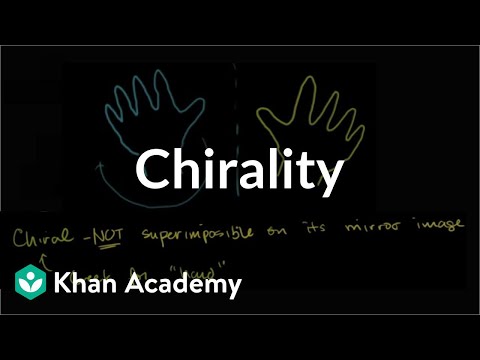
chirality, stereoisomers, assigning absolute configuration using the R,S system, optical activity, diastereomers, meso compounds, fischer projections. Introduction to Chirality. Chiral Examples 1. Chiral Examples 2. Cahn-Ingold-Prelog System for Naming Enantiomers. R,S (Cahn-Ingold-Prelog) Naming System Example 2. chirality centers and stereoisomers. R,S system for determining absolute configuration. R,S system for cyclic compounds. optical activity I: theory. optical activity II: calculations. Stereoisomers, Enantiomers, Diastereomers, Constitutional Isomers and Meso Compounds. diastereomers. meso compounds. fischer projections. Introduction to Chirality. Chiral Examples 1. Chiral Examples 2. Cahn-Ingold-Prelog System for Naming Enantiomers. R,S (Cahn-Ingold-Prelog) Naming System Example 2. chirality centers and stereoisomers. R,S system for determining absolute configuration. R,S system for cyclic compounds. optical activity I: theory. optical activity II: calculations. Stereoisomers, Enantiomers, Diastereomers, Constitutional Isomers and Meso Compounds. diastereomers. meso compounds. fischer projections.
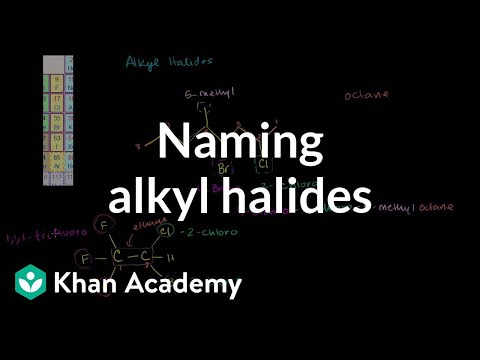
SN1, SN2, E1, E2, nucleophiles, nucleophilicity, basicity. Naming Alkyl Halides. Sn2 Reactions. Sn1 Reactions. Steric hindrance. Sn2 Stereochemistry. Solvent Effects on Sn1 and Sn2 Reactions. Nucleophilicity (Nucleophile Strength). Nucleophilicity vs. Basicity. E2 Reactions. E1 Reactions. Zaitsev's Rule. Comparing E2 E1 Sn2 Sn1 Reactions. E2 E1 Sn2 Sn1 Reactions Example 2. E2 E1 Sn2 Sn1 Reactions Example 3. nucleophile/electrophile and The Schwartz Rules. alkyl halide nomenclature. SN1 reaction: mechanism. SN1 reaction: stereochemistry. SN2 mechanism and stereochemistry. SN1 vs SN2: solvent effects. SN1 vs SN2: summary. E1 Elimination: mechanism. E1 Elimination: regioselectivity and stereoselectivity. carbocations and rearrangements. E1 Elimination: carbocation rearrangements. E2 Elimination: mechanism. E2 Elimination: regioselectivity. E2 Elimination: stereoselectivity. E2 Elimination: stereospecificity. E2 Elimination: substituted cyclohexanes. nucleophilicity and basicity. SN1 SN2 E1 E2 reactions: primary and tertiary alkyl halides. SN1 SN2 E1 E2 reactions: secondary alkyl halides. Naming Alkyl Halides. Sn2 Reactions. Sn1 Reactions. Steric hindrance. Sn2 Stereochemistry. Solvent Effects on Sn1 and Sn2 Reactions. Nucleophilicity (Nucleophile Strength). Nucleophilicity vs. Basicity. E2 Reactions. E1 Reactions. Zaitsev's Rule. Comparing E2 E1 Sn2 Sn1 Reactions. E2 E1 Sn2 Sn1 Reactions Example 2. E2 E1 Sn2 Sn1 Reactions Example 3. nucleophile/electrophile and The Schwartz Rules. alkyl halide nomenclature. SN1 reaction: mechanism. SN1 reaction: stereochemistry. SN2 mechanism and stereochemistry. SN1 vs SN2: solvent effects. SN1 vs SN2: summary. E1 Elimination: mechanism. E1 Elimination: regioselectivity and stereoselectivity. carbocations and rearrangements. E1 Elimination: carbocation rearrangements. E2 Elimination: mechanism. E2 Elimination: regioselectivity. E2 Elimination: stereoselectivity. E2 Elimination: stereospecificity. E2 Elimination: substituted cyclohexanes. nucleophilicity and basicity. SN1 SN2 E1 E2 reactions: primary and tertiary alkyl halides. SN1 SN2 E1 E2 reactions: secondary alkyl halides.

Organic electronic devices are quickly making their way into the commercial world, with innovative thin mobile devices, high-resolution displays, and photovoltaic cells. The future holds even greater potential for this technology, with an entirely new generation of ultralow-cost, lightweight and even flexible electronic devices, which will perform functions traditionally accomplished with much more expensive components based on conventional semiconductor materials, such as silicon.
Learn more about this highly promising technology, which is based on small molecules and polymers, and how these materials can be implemented successfully in established (e.g., organic light-emitting devices (OLEDs), organic photovoltaic (OPV) devices) and emerging (e.g., thermoelectric (TE) generators) organic electronic modules.
In this course you will gain the ability to tie molecular transport phenomena with macroscopic device response such that you will be well-prepared to analyze, troubleshoot, and design the next generation of organic electronic materials and devices.
This course has short lectures with quizzes, homework, and exams.
This course is the latest nanoHUB-U project in a series offered is jointly funded by Purdue University and the NSF with the goal of transcending disciplines though short courses accessible to students in any branch of science or engineering.

Learn about a new generation of solar cells, organic solar cells, that promise an answer to the energy demands of the future.

This course covers modern and advanced methods of elucidation of the structures of organic molecules, including NMR, MS, and IR (among others). The fundamental physical and chemical principles of each method will be discussed. The major emphasis of this course is on structure determination by way of interpreting the data (generally in the form of a spectrum or spectra) that each method provides.
Add to calendar

Trusted paper writing service WriteMyPaper.Today will write the papers of any difficulty.