

Online courses directory (19947)
Defining and using the commutative, associative, distributive, identity, and inverse properties. Commutative Law of Addition. Commutative Law of Multiplication. Associative Law of Addition. Associative Law of Multiplication. Commutative Property for Addition. The Distributive Property. The Distributive Property 2. Distributive Property Example 1. CA Algebra I: Number Properties and Absolute Value. Identity Property of 1. Identity property of 1 (second example). Identity property of 0. Inverse Property of Addition. Inverse Property of Multiplication. Why Dividing by Zero is Undefined. Why Zero Divided by Zero is Undefined/Indeterminate. Undefined and Indeterminate.
Understanding, solving, and converting percents. Describing the Meaning of Percent. Describing the Meaning of Percent 2. Representing a number as a decimal, percent, and fraction. Converting decimals to percents (ex 1). Converting decimals to percents (ex 2). Identifying Percent Amount and Base. Solving Percent Problems. Solving Percent Problems 2. Solving Percent Problems 3. Growing by a percentage. Representing a number as a decimal, percent, and fraction 2. Ordering numeric expressions.
Solving and writing ratios and proportions without algebra. Introduction to Ratios (new HD version). Understanding Proportions. Ratios as Fractions in Simplest Form. Simplifying Rates and Ratios. Find an Unknown in a Proportion 2. Finding Unit Rates. Finding Unit Prices. Unit conversion. Converting units of length. Conversion between metric units. U.S. Customary and Metric units. Converting within the metric system. Converting Gallons to quarts pints and cups. Converting pounds to ounces. Comparing Celsius and Farenheit temperature scales. Converting Fahrenheit to Celsius. Speed translation.
Introduction to Ratios (new HD version). Ratios as Fractions in Simplest Form. Simplifying Rates and Ratios. Expressing ratios as fractions. Describing ratios exercise. Describing ratios. Ratio word problem exercise example 1. Ratio word problem exercise example 2. Ratio word problems. Proportion validity example. Solving ratio problems with tables exercise. Solving ratio problems with tables exercise 2. Solving ratio problems with tables exercise 3. Solving ratio problems with tables. Usain Bolt's Average Speed. Finding Unit Rates. Finding Unit Prices. Rate problems 0.5. Multiple rates word problem. Rate problems 2. Converting pounds to ounces. Converting Gallons to quarts pints and cups. Converting Yards into Inches. Performing arithmetic calculations on units of volume. Application problems involving units of weight. Solving application problems involving units of volume. Gas cost for a roadtrip. Squirrel survival. Converting units of length. Unit Conversion Example: Drug Dosage. Unit Conversion with Fractions. Units. Speed translation. Unit conversion within the metric system. Converting within the metric system. Perimeter and Unit Conversion. Applying the Metric System. Conversion between metric units. U.S. Customary and Metric units. Converting Fahrenheit to Celsius. Comparing Celsius and Farenheit temperature scales. Introduction to Ratios (new HD version). Ratios as Fractions in Simplest Form. Simplifying Rates and Ratios. Expressing ratios as fractions. Describing ratios exercise. Describing ratios. Ratio word problem exercise example 1. Ratio word problem exercise example 2. Ratio word problems. Proportion validity example. Solving ratio problems with tables exercise. Solving ratio problems with tables exercise 2. Solving ratio problems with tables exercise 3. Solving ratio problems with tables. Usain Bolt's Average Speed. Finding Unit Rates. Finding Unit Prices. Rate problems 0.5. Multiple rates word problem. Rate problems 2. Converting pounds to ounces. Converting Gallons to quarts pints and cups. Converting Yards into Inches. Performing arithmetic calculations on units of volume. Application problems involving units of weight. Solving application problems involving units of volume. Gas cost for a roadtrip. Squirrel survival. Converting units of length. Unit Conversion Example: Drug Dosage. Unit Conversion with Fractions. Units. Speed translation. Unit conversion within the metric system. Converting within the metric system. Perimeter and Unit Conversion. Applying the Metric System. Conversion between metric units. U.S. Customary and Metric units. Converting Fahrenheit to Celsius. Comparing Celsius and Farenheit temperature scales.
Learn to tell time with some fun exercises!. Telling time exercise example 1. Telling time exercise example 2. Telling time exercise example 1. Telling time exercise example 2.
This course is taught in French Vous voulez comprendre l'arithmétique ? Vous souhaitez découvrir une application des mathématiques à la vie quotidienne ? Ce cours est fait pour vous ! De niveau première année d'université, vous apprendrez les bases de l'arithmétique (division euclidienne, théorème de Bézout, nombres premiers, congruence). Vous vous êtes déjà demandé comment sont sécurisées les transactions sur Internet ? Vous découvrirez les bases de la cryptographie, en commençant par les codes les plus simples pour aboutir au code RSA. Le code RSA est le code utilisé pour crypter les communications sur internet. Il est basé sur de l'arithmétique assez simple que l'on comprendra en détail. Vous pourrez en plus mettre en pratique vos connaissances par l'apprentissage de notions sur le langage de programmation Python. Vous travaillerez à l'aide de cours écrits et de vidéos, d'exercices corrigés en vidéos, des quiz, des travaux pratiques. Le cours est entièrement gratuit !

Learn to use essential oils to improve body, mind, and spirit!

Aprenda a projetar sites objetivos, organizados, intuitivos e com experiência superior de uso.

Art can be a powerful catalyst for building skills and understanding a range of subjects. Intended for primary and secondary teachers of all disciplines, Art & Activity builds upon the inquiry-based approaches of Art and Inquiry: Museum Teaching Strategies for Your Classroom, while delving into activity-based strategies that will make your students empowered participants.

From Spring 2004 to Fall 2004, leading new media artists, curators and theorists discussed the exciting and diverse fiel

Explore how to integrate works of art into your classroom with inquiry-based teaching methods originally developed for in-gallery museum education.

This course is an exploration of visual art forms and their cultural connections for the student with little experience in the visual arts. The course includes a brief study of art history and in depth studies of the elements, media, and methods used in creative process and thought. This course will teach students to develop a five-step system for understanding visual art in all forms based on description, analysis, meaning, context, and judgement. The Open Course Library (OCL) is a project to create 81 openly-licensed high-enrollment general education college courses & lower textbook costs for students. The Art Appreciation course was developed by Christopher Gildow (Cascadia Community College), published originally with OCL, and is showcased here with his permission.

A clear concise history of art since Prehistory until the beginnings of the Italian Renaissance,

A basic level survey of painting, sculpture, and architecture.
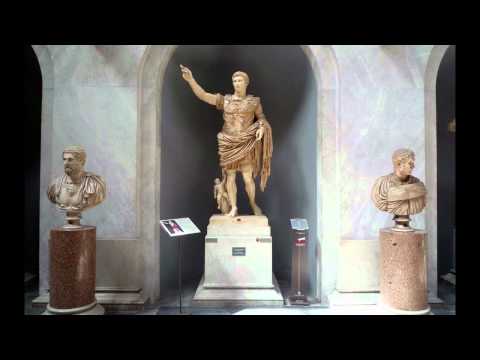
Augustus of Primaporta. Painted Garden, Villa of Livia. Head of Augustus. Sculpture from the Parthenon's East Pediment. Victory Stele of Naram-Sin. Ancient Greek Temples at Paestum, Italy. Dying Gaul. Ara Pacis. The Standard of Ur. Dionysiac frieze, Villa of Mysteries, Pompeii. East and West Pediments, Temple of Aphaia, Aegina. Colosseum. Myron, Discobolus (Discus Thrower), Roman copy of an ancient Greek bronze from c. 450 B.C.E.. Nike of Samothrace. Law Code Stele of King Hammurabi . The Pergamon Altar. Arch of Titus. Great Lyre from the "King's Grave" at Ur. Hadrian's Villa: A Virtual Tour. Parthenon Frieze. Maritime Theatre at Hadrian's Villa, Tivoli. Neo-Assyrian Art: Human Headed Winged Lion and Bull (Lamassu). The Parthenon: Metopes. Pair of Centaurs Fighting Cats of Prey from Hadrian's Villa. Mixing Vessel with Odysseus Escaping from the Cyclops' Cave. Erechtheion: Caryatid and Column. Column of Trajan. Ishtar Gate and Processional Way . Medea Sarcophagus, 140 - 150 C.E.. Equestrian Sculpture of Marcus Aurelius. Ludovisi Battle Sarcophagus. After Praxiteles, Venus (Roman Copy). Apollonius, Boxer at Rest, c. 100 B.C.E.. Nude Woman (Venus of Willendorf). Seated Scribe. Arch of Constantine. Digging Through Time. Thutmose's Bust of Nefertiti. House Altar with Akhenaten, Nefertiti and Three Daughters. Ramesses II. Alexander Mosaic. The Colossus of Constantine. Rosetta Stone. Hellenistic Art at the Metropolitan: Eros Sleeping and An Old Market Woman. Bodhisattva from China. Geometric Greek Krater. Exekias, Attic black figure amphora with Ajax and Achilles playing a game. Buddha of Medicine Bhaishajyaguru (Yaoshi fo). Polykleitos, Doryphoros (Spear-Bearer). Barberini Faun, c. 220 B.C.E.. New York Kouros. Japan, Muromachi to Momoyama period Negoro ware ewer. Ancient Rome. Temple of Portunus. The Pantheon, Rome.

Humans have been making art for tens of thousands of years, long before there was writing. Why was Egyptian art obsessed with death? Why did the ancient Greeks seek the perfect human form? How did the ancient Romans use art as state propaganda? Why was the naturalism of ancient Greek and Roman art abandoned with the rise of Christianity? This topic explores the art of the ancient world, from the Venus of Willendorf to a 6th-Century Chinese Bodhisattva. Prehistoric Art: Paleolithic Origins. Nude Woman (Venus of Willendorf). The Neolithic Revolution. Jade Cong. Prehistory: Proto-writing. Prehistoric Art Quiz. Introduction. Ancient History: The Alphabet. Sumerian Art: Standard of Ur. Sumerian Art: Great Lyre from the "King's Grave" at Ur. Akkadian Art: Victory Stele of Naram-Sin. Babylonian Art: Law Code Stele of King Hammurabi. Ashurbanipal Hunting Lions (Assyrian). Assyrian Art: Human Headed Winged Lion and Bull (Lamassu). Neo-Babylonian Art: Ishtar Gate and Processional Way. Ancient Near Eastern Art. Introduction. Egyptian Art. Materials & Techniques. Ancient Near Eastern & Ancient Egyptian Art. Old Kingdom: Seated Scribe. New Kingdom: House Altar with Akhenaten, Nefertiti and Three Daughters. Portrait Head of Queen Tiye with a Crown of Two Feathers. New Kingdom: Thutmose's Bust of Nefertiti. Judgement in the Presence of Osiris, Hunefer's Book of the Dead. New Kingdom: Ramesses II. Ptolemaic: Rosetta Stone. Ancient Egypt. Ancient Greece and Rome. Ancient Greek and Roman Art. Geometric: Terracotta Krater. Archaic: Exekias, Attic black figure amphora with Ajax and Achilles playing a game. Archaic: Exekias, Dionysos Kylix, c. 530 B.C.E.. Archaic: Mixing Vessel with Odysseus Escaping from the Cyclops's Cave. Archaic: New York Kouros. The Classical Orders. Archaic and Early Classical: Ancient Greek Temples at Paestum, Italy. Archaic and Early Classical: East and West Pediments, Temple of Aphaia, Aegina. Early Classical: Polykleitos, Doryphoros (Spear-Bearer). Classical: Myron, Discobolus (Discus Thrower), Roman copy of an ancient Greek bronze. Classical: Parthenon Frieze. Classical: Sculpture from the Parthenon's East Pediment. Classical: Parthenon Metopes. Classical: Caryatid and Column from the Erechtheion. Late Classical: Lysippos, Farnese Hercules, 4th century B.C.E. (later Roman copy by Glycon). Late Classical: Lysippos, Apoxyomenos (Scraper), c. 330 B.C.E. (Roman copy). Late Classical: After Praxiteles, Venus (Roman Copy). Hellenistic: Barberini Faun. Hellenistic: Dying Gaul. Hellenistic: Nike of Samothrace. Hellenistic: The Pergamon Altar. Hellenistic: Apollonius, Boxer at Rest. Hellenistic: Alexander Mosaic. Hellenistic: Laoco
This is a transitional period. In the art of Florence and Siena there is a move away from medieval abstract depictions of space and the human body as artists began to focus on the illusion of mass and space and the expression of human emotion. With hindsight, it is possible to trace elements of Renaissance art back to this period. This century saw the creation of the beautiful poetry of Dante and Petrarch, but it is also the century that saw the worst outbreak of the Bubonic plague (known then as the Black Death) which wiped out close to half the population of Europe
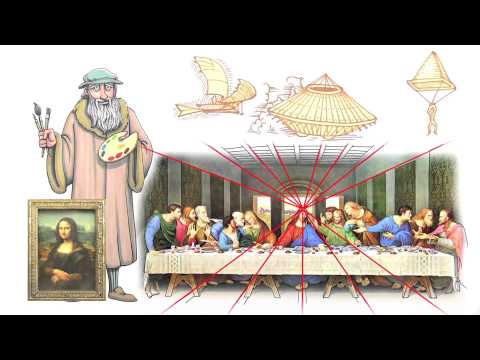
This is the century that sees the full realization of the Renaissance and the end of the medieval way of thinking about the world. The Humanist rediscovery of ancient Greek and Roman culture is supported by the wealth accumulated in prosperous cities such as Bruges, Florence, and Venice. New wealth and increasing trade created a demand for an art based on the world we see. The second half of the century saw the invention of the printing press, and Columbus
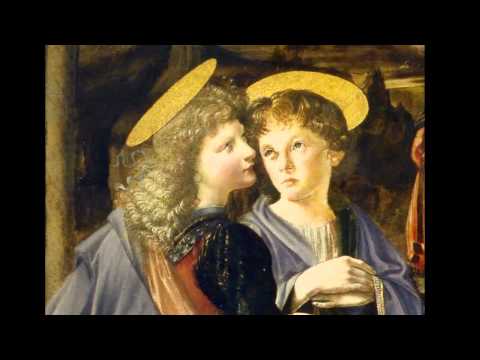
If there was one century in the past that saw radical changes in established ways of thinking comparable to the 20th Century, it would be the 16th. Before this, in Western Europe, there was only one type of Christianity
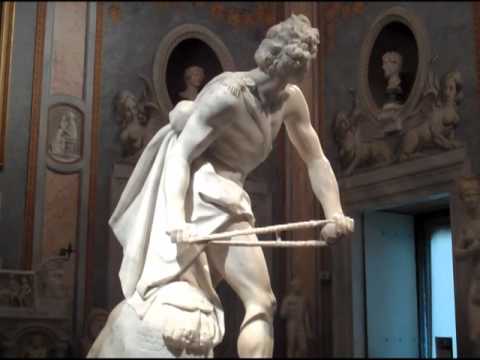
The 17th Century is the era of the Baroque style, characterized by energy, drama, and movement. The Church in Rome needed art that spoke to its resurgent power even as the conflict between Protestant and Catholics continued. A new realism
Add to calendar

Trusted paper writing service WriteMyPaper.Today will write the papers of any difficulty.