

Online courses directory (19947)

This introductory global health course aims to frame global health's collection of problems and actions within a particular biosocial perspective. It develops a toolkit of interdisciplinary analytical approaches and uses them to examine historical and contemporary global health initiatives with careful attention to a critical sociology of knowledge. Four physician-anthropologists - Paul Farmer, Arthur Kleinman, Anne Becker, and Salmaan Keshavjee - draw on experience working in Asia, Africa, Eastern Europe, and the Americas to investigate what the field of global health comprises, how global health problems are defined and constructed, and how global health interventions play out in both expected and unexpected ways.
The course seeks to inspire and teach the following principles:
A global awareness. This course aims to enable learners to recognize the role of distinctive traditions, governments, and histories in shaping health and well being. In addition, rather than framing a faceless mass of poor populations as the subject of global health initiatives, the course uses ethnographies and case studies to situate global health problems in relation to the lives of individuals, families, and communities.
A foundation in social and historical analysis. The course demonstrates the value of social theory and historical analysis in understanding health and illness at individual and societal levels.
An ethical engagement. Throughout the course, learners will be asked to critically evaluate the ethical frameworks that have underpinned historical and contemporary engagement in global health. Learners will be pushed to consider the moral questions of inequality and suffering as well as to critically evaluate various ethical frameworks that motivate and structure attempts to redress these inequities.
A sense of inspiration and possibility. While the overwhelming challenges of global health could all too easily engender cynicism, passivity, and helplessness, learners will observe that no matter how complex the field of global health and no matter how steep the challenges, it is possible to design, implement, and foster programs and policies that make enormous positive change in the lives of the world’s poorest and suffering people.
HarvardX requires individuals who enroll in its courses on edX to abide by the terms of the edX honor code. HarvardX will take appropriate corrective action in response to violations of the edX honor code, which may include dismissal from the HarvardX course; revocation of any certificates received for the HarvardX course; or other remedies as circumstances warrant. No refunds will be issued in the case of corrective action for such violations. Enrollees who are taking HarvardX courses as part of another program will also be governed by the academic policies of those programs.
HarvardX pursues the science of learning. By registering as an online learner in an HX course, you will also participate in research about learning. Read our research statement to learn more.
Harvard University and HarvardX are committed to maintaining a safe and healthy educational and work environment in which no member of the community is excluded from participation in, denied the benefits of, or subjected to discrimination or harassment in our program. All members of the HarvardX community are expected to abide by Harvard policies on nondiscrimination, including sexual harassment, and the edX Terms of Service. If you have any questions or concerns, please contact harvardx@harvard.edu and/or report your experience through the edX contact form.

Disease has no respect for country borders and increased global travel has fueled the spread of infectious disease, as evidenced by the Ebola virus epidemic. Chronic diseases such as diabetes and heart disease, initially confined to the developed world, now exist side by side with malnutrition in low- and middle-income countries (LMIC). Global warming is widening the endemicity of vector-borne diseases.
In this course, we will explore ways to leverage information technology to combat disease and promote health, especially in resource-constrained settings. Technology is a driving force that sweeps across nations even faster than disease and with the spread of mobile phones, which bring computational power and data to our fingertips, new paradigms in tracking and battling disease have been discovered.
This course will explore innovations in information systems in developing countries, and focus not only on the importance of technology, but also on broader issues necessary for its success, such as quality improvement, project management, and leadership skills. Ultimately, health care delivery systems require fundamental and sound operations, such as physical infrastructure and supply-chain management, to deliver high-quality care. Technology is simply a tool to help facilitate this process.
The quality of care theme is critical to this course. The first step stakeholders in health systems should focus on prior to introducing an innovation is to establish a culture of quality improvement and patient safety. An information system can then play a facilitative role by enabling care coordination, tracking processes and outcomes, informing decision making, and fostering learning through data analysis.
An information system without an accompanying organizational transformation risks reinforcing the same failed processes. Using technology to improve access to care without any other quality improvement elements will yield the same and not necessarily better results, but more of them. Innovations need to address gaps in quality and demonstrate improvement in health outcomes, otherwise they won’t sustain or scale.
Lastly, we will discuss our attempts to leverage troves of data to define best practice and how we must keep the patient perspective and health at the center of everything we do.
This course is targeted toward individuals interested in designing or implementing a health information and communication technology (ICT) solution in the developing world. Implementing a health information technology project requires multidisciplinary teams. Thus, with this course, we hope to bring together individuals from a variety of disciplines—computer science, medicine, engineering, public health, policy, and business.

ALISON Global Health Initiative is a series of free online courses created to raise public awareness and understanding of common diseases that affect millions of people worldwide. In this course important aspects of the hepatitis B are covered in detail. The course begins by defining what hepatitis B is, and important facts and statistics about this medical condition. It then goes on to describe aspects such as symptoms and risk factors that are associated with the disease and how hepatitis B can be diagnosed and prevented. Finally, the course describes how a patient can successfully live with hepatitis B and how family, friends and colleagues can cope with and support a person with hepatitis B. The information in this course will be of great interest to all learners, especially those who have been diagnosed with hepatitis B, and who would like to know more about the disease, its treatment and coping with it. It will also be of great interest to all healthcare professionals who would like access to easy to understand facts and information about hepatitis B that they can share with their patients. <br />

ALISON Global Health Initiative is a series of free online courses created to raise public awareness and understanding of common diseases that affect millions of people worldwide. In this course important aspects of the Hepatitis C are covered in detail. The course begins by defining what Hepatitis C is, and important facts and statistics about this medical condition. It then goes on to describe aspects such as symptoms and risk factors that are associated with the disease and how Hepatitis C can be diagnosed and prevented. Finally, the course describes how a patient can successfully live with Hepatitis C and how family, friends and colleagues can cope with and support a person with Hepatitis C. The information in this course will be of great interest to all learners, especially those who have been diagnosed with Hepatitis C, and who would like to know more about the disease, its treatment and coping with it. It will also be of great interest to all healthcare professionals who would like access easy to understand facts and information about Hepatitis C that they can share with their patients. <br />
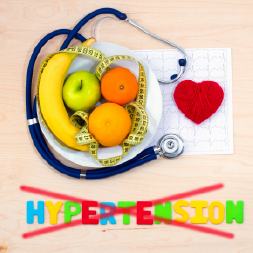
ALISON Global Health Initiative is a series of free online courses created to raise public awareness and understanding of common diseases that affect millions of people worldwide. In this course important aspects of the hypertension are covered in detail. The course begins by defining what hypertension is, and important facts and statistics about this medical condition. It then goes on to describe aspects such as symptoms and risk factors that are associated with the disease and how hypertension can be diagnosed and prevented. Finally, the course describes how a patient can successfully live with hypertension and how family, friends and colleagues can cope with and support a person with hypertension. The information in this course will be of great interest to all learners, especially those who have been diagnosed with hypertension, and who would like to know more about the disease, its treatment and coping with it. It will also be of great interest to all healthcare professionals who would like access to easy to understand facts and information about hypertension that they can share with their patients. <br />
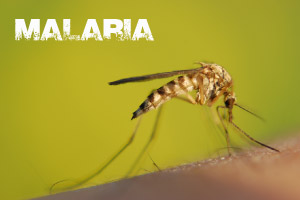
ALISON Global Health Initiative is a series of free online courses created to raise public awareness and understanding of common diseases that affect millions of people worldwide. In this course important aspects of the Malaria are covered in detail. The course begins by defining what Malaria is, and important facts and statistics about this medical condition. It then goes on to describe aspects such as symptoms and risk factors that are associated with the disease and how Malaria can be diagnosed and prevented. Finally, the course describes how a patient can be treated for Malaria. The information in this course will be of great interest to all learners, especially those who with exposure to Malaria, and who would like to know more about the disease, its treatment. It will also be of great interest to all healthcare professionals who would like access easy to understand facts and information about Malaria that they can share with their patients. <br />
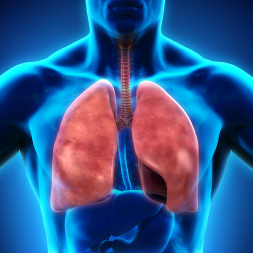
ALISON Global Health Initiative is a series of free online courses created to raise public awareness and understanding of common diseases that affect millions of people worldwide. In this second course important aspects of the disease COPD (Chronic Obstructive Pulmonary Disease) are covered in detail. The course begins by defining what COPD is, and detailing the two types of COPD and important facts and statistics about the disease. It then goes on to describe aspects such as symptoms and risk factors that are associated with the disease and how COPD can be diagnosed and prevented. Finally, the course describes how a patient can live with COPD and how family, friends and colleagues can cope with and support a person with COPD. The information in this course will be of great interest to all learners, especially those who have been diagnosed with COPD, and who would like to know more about the disease, its treatment and coping with it. It will also be of great interest to all healthcare professionals who would like access to easy to understand facts and information about diabetes that they can share with their patients. <br />

ALISON Global Health Initiative è una piattaforma che fornisce una serie di corsi gratuiti online creati per sensibilizzare l'opinione pubblica e aumentare la comprensione delle malattie più comuni che colpiscono milioni di persone in tutto il mondo. In questo secondo corso sono trattati gli aspetti piu’ importanti della BPCO.Il corso inizia con la definizione di che cos’e’ la BPCO, elenca le diverse forme della malattia, i meccanismi si cui agisce e tratta la diffusione mondiale della malattia. Si passa quindi a descrivere i sintomi e fattori di rischio che sono associati con la malattia e come la BPCO possa essere diagnosticata e prevenuta. Infine, il corso descrive come un paziente puo’ convivere con la BPCO e e come la famiglia, i familiari, gli amici e i colleghi possono affrontare e sostenere una persona con la BPCO. Le informazioni contenute in questo corso saranno di grande interesse per tutti gli studenti , in particolare quelli che hanno ricevuto una diagnosi, e che vorrebbero saperne di più sulla malattia, il suo trattamento e come si affronta questa malattia. Sarà anche di grande interesse per tutti gli operatori sanitari che desiderano accedere a informazioni sulla BPCO di facile comprensione da poter condividere con i loro pazienti.<br />

ALISON Global Health Initiative is a series of free online courses created to raise public awareness and understanding of common diseases that affect millions of people worldwide. In this first course important aspects of the disease diabetes are covered in detail. The course begins by defining what diabetes is, and lists the three types of diabetes and important facts and statistics about the disease. It then goes on to describe aspects such as symptoms and risk factors that are associated with the disease and how diabetes can be diagnosed and prevented. Finally, the course describes how a patient can live with diabetes and how family, friends and colleagues can cope with and support a person with diabetes. The information in this course will be of great interest to all learners, especially those who have been diagnosed with diabetes, and who would like to know more about the disease, its treatment and coping with it. It will also be of great interest to all healthcare professionals who would like access to easy to understand facts and information about diabetes that they can share with their patients.

ALISON Global Health Initiative è una piattaforma che fornisce una serie di corsi gratuiti online creati per sensibilizzare l'opinione pubblica e aumentare la comprensione delle malattie più comuni che colpiscono milioni di persone in tutto il mondo. In questo primo corso sono trattati nel dettaglio i piu’ importanti aspetti del diabete. Il corso inizia con la definizione di che cos’e’ il diabete, elenca i tre tipi di diabete, i meccanismi si cui agisce e tratta la diffusione mondiale della malattia. Si passa quindi a descrivere i sintomi e fattori di rischio che sono associati alla malattia e come il diabete può essere diagnosticato e prevenuto. Infine, il corso descrive come un paziente puo’ convivere con il diabete e come la famiglia, i familiari, gli amici e i colleghi possono affrontare e sostenere una persona con diabete. Le informazioni contenute in questo corso saranno di grande interesse per tutti gli studenti, in particolare quelli che hanno ricevuto una diagnosi, e che vorrebbero saperne di più sulla malattia, il suo trattamento e come si affronta questa malattia. Sarà anche di grande interesse per tutti gli operatori sanitari che desiderano accedere a informazioni sul diabete di facile comprensione da poter condividere con i loro pazienti.<br />

In this three-day workshop, students will get a broad introduction to global health issues. We will look at one particular non-governmental organization in India that works to improve health across the lifespan by empowering existing community resources to provide appropriate physical, psychological and social therapies, focusing on child development, adolescent and youth health, mental health, and chronic disease. This workshop equips student to explore novel ideas and technologies with an inspiring and ground-breaking Indian NGO.
Fulfills the Sloan Innovation Period (SIP) elective requirement. SIP occurs at the midpoint of each semester providing students with an intensive week of experiential leadership learning, as well as exposure to groundbreaking faculty work. It allows students to engage in intellectual exploration outside the classroom. SIP degree requirements include core courses in ethics and leadership as well as electives.

This introductory course, first delivered in September 2016, explores how multidisciplinary teams can work more effectively together to address global health needs.
Whether you seek a career in international health or medicine, volunteer to serve those less fortunate, or work in an institutional setting such as a clinic, hospital, or public health agency, it is important to understand the sources and movement of diseases.
The world continues to grow smaller, with international travel, a global economy, and a changing environment contributing to the emergence of new diseases and the spread of existing ones. Understanding these connections -- and how they impact the farthest reaches of the globe – is becoming an essential skill in international development, humanitarian assistance, business and commerce, and at all levels of healthcare.
The 2013-2014 Ebola outbreak in West Africa offers a window through which global health can be examined in a variety of disciplines. A Toronto medical center and Dallas hospital are far removed from the outbreaks of SARS in China and Ebola in Guinea, yet those diseases arrived and created crises within these facilities and beyond. Research has shown that health security contributes to civil order, economic growth, and stable governments. It has also demonstrated that every nation bears the economic and human burden of disease, illness, and injury.
The director general of the World Health Organization, multiple world leaders, and innumerable health authorities have called for greater awareness and leadership in global health. That journey begins here.

This course proposes an overview of current global health challenges drawing on the insights of several academic disciplines including medicine, public health, law, economics, social sciences and humanities. This interdisciplinary approach will guide the student into seven critical topics in global health.

In this global history course, you will learn not just by reading and watching lectures, but also by analyzing historical documents and applying your knowledge. The core of this course is a series of weekly lab assignments in which you and your fellow students will work in teams to use historical knowledge from the course to solve problems and develop new connections and interpretations of primary historical materials.
The course begins in 1300 AD at the height of the Silk Road, the triumphs of the Mongol Empire, and the spread of one of the most devastating contagions of all time, the Black Death. It examines the emergence of an international system of competitive empires and its effect on trade and exchange. We look at the Age of Revolution, and discuss industrialization during the 1800s. The course concludes with a close look at the 20th century and current-day globalization.
Course themes include migration and statelessness, economic integration, warfare and conflict, the transformation of the ecological balance, and cultural responses and innovations. To grapple with these themes, we explore first-hand perspectives of historical actors through a collection of texts and images.
This course integrates and actively supports groups of refugee learners in refugee camps in the Horn of Africa and Jordan, collaborating with students at Princeton, in a global learning partnership with InZone at the University of Geneva. This partnerships benefits from collaboration with the United Nations High Commission for Refugees in Azraq and Kakuma refugee camps, CARE in Azraq refugee camp and British Council in Amman, and from financial support from Princeton University, the University of Geneva and the Ford Foundation. We express our sincere appreciation to all who contribute to the implementation of this global learning project.
Course material
For you to engage in this experience, Global History Lab will provide you with historical content and a series of collaborative lab activities. Although the lectures are designed to be self-contained, we recommend (but do not require) that you refer to the book Worlds Together, Worlds Apart: A History of the World: From 1000 CE to the Present (Fourth Edition) (vol. 2), which was written specifically for this course.

Ideal for business leaders and HR professionals, this course probes into current research about the top ten global HR trends of 2016 that are forcing organizations to quickly respond and refocus to meet modern challenges.

When you notice inequality in your everyday life, do you ever wonder where it comes from, and what keeps it going?
This sociology course introduces you to core concepts of class, gender, and racial inequality, and an approach to studying complex forms of inequality called intersectionality. Featuring interviews with top scholars and discussion of the full-length award winning documentary, China Blue, which follows the life of a young seventeen-year-old worker from Sichuan province, to a Chinese jeans factory, this course will transform your perspective on yourself and others.
No previous knowledge required. Global Sociology is highly recommended.
Image: Ganesh Ramachandran | www.purpleganesh.com

In this marketing course, you will gain an understanding of the foundations, scope, and challenges of global marketing, as well as the cultural environments of global markets.
Organizations and businesses are always facing new challenges including slow domestic market growth, international competition, deregulation of formerly protected industries, short product life cycles, and emergence of global brands. This course will equip you with skills to understand and handle current and developing challenges in global marketing and how to create and implement successful strategies.
This course will help you understand the strategic implications of segmentation, targeting, and positioning and how they are developed within the context of customer, competitor, and context analysis. Particular emphasis will be placed on the role of disruptive positioning strategies and how firms can utilize such strategies to their advantage.
You will develop integrated marketing strategies taking into consideration the problems and perspectives of marketing across national boundaries and within foreign countries. You’ll learn to evaluate and prioritize information that influences marketing decisions and deal with ambiguous information when engaged in business globally. You will also gain understanding of the strategic implications of the Country of Origin Effect and how this influences customer’s information processing of firms and brands.

This globalization course focuses on the ways market-led macro-economic reforms associated with globalization (such as free trade agreements and privatization initiatives) have come together with much more micro innovations in how personal behavior is organized by market forces (rethinking education as a personal investment practice, for example, or outsourcing dating to for-profit companies).
At the end of this course you will be able to:
- Describe the main debates and controversies surrounding globalization
- Analyze the ties and tensions of uneven global development
- Understand the growing impact of global market integration
- Synthesize knowledge of market globalization with your own experiences of market forces and market reforms
- Evaluate the way in which market forces define and delimit personal choices and everyday life globally
- Develop capacity to respond and reflect personally amidst the ties and tensions of market-led globalization.
This course is adapted from a similar class offered by the Bachelor of Arts in Integrated Social Sciences, a fully online degree completion program from the University of Washington.

This course examines opportunities and risks firms face in today's global market. It provides conceptual tools for analyzing how governments and social institutions influence economic competition among firms embedded in different national settings. Public policies and institutions that shape competitive outcomes are examined through cases and analytical readings on different companies and industries operating in both developed and emerging markets.

This course examines the opportunities and risks firms face in today's global world. The course provides conceptual tools for analyzing how governments and a variety of social and economic institutions influence competition among firms embedded in different national settings. Public policies and institutions that shape competitive outcomes are examined through cases and analytic readings on different companies and industries operating in both developed and emerging markets. In addition to traditional case/class discussions, this course will include some presentations by various guest speakers. The hope is that greater exposure to/interaction with these real-world practitioners will "bring to life" some of the issues discussed in the readings/cases. Whenever possible, informal dinners and/or coffees will be organized for small groups of students interested in meeting with our guest speakers.
Add to calendar

Trusted paper writing service WriteMyPaper.Today will write the papers of any difficulty.