

Courses tagged with "Bonding systems" (55)
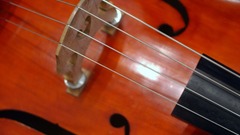
Using a simple and enjoyable teaching style, this course introduces the novice listener to the wonders of classical music, from Bach fugues to Mozart symphonies to Puccini operas.

This multidisciplinary production class serves as an introduction to, and exploration of electronic media in the arts. Lectures will cover concepts and presentations of artists working in various capacities with computers, as well as tutorials on specific software packages.

In this 6-week course we’ll introduce the fundamentals of digital audio. The course will provide the essentials of recording and editing sound, and culminates with a piece using both recorded and synthesized sound.

In this 5-week course we’ll introduce the fundamentals of programming in Processing, an accessible introduction to combining arts and computing. The course will provide the essentials of programming in a visual context, allowing you to visualize, design, and create generative art with Processing.

Sounds and music are embedded in almost every aspect of daily life. This course will provide an overview of the fundamental principles of sound and the factors that determine our audio perception. It will also explore techniques of recording, mixing, processing, synthesis, sampling, analysis, and editing of digital audio.

Grasp the essentials needed to begin playing acoustic or electric guitar. You'll learn an easy approach to get you playing quickly, through a combination of exploring the instrument, performance technique, and basic music theory.

Learn about the music production process—including recording, editing, and mixing—and the tools available to you to create contemporary music on your computer.

This course provides a complete introduction to programming for digital musicians and artists, in the real-time multimedia language ChucK. Rich with practical examples and pointers to additional web resources, it can be understood by novices wishing to learn to program interactive arts systems.

Learn the basic concepts of improvisation from Gary Burton, one of the most renowned improvisers in the jazz world, including the mental, melodic, and harmonic processes that contribute to the instinctive skills that an improviser puts to use when taking a solo.

Whether you are an outstanding or a struggling student, "Learning How to Learn" will give you powerful mental tools that will help you learn more effectively in tough-to-master subjects. You will discover practical, immediately useful insights that will help you to more deeply master your studies.

Learn the ideas and vocabulary for listening to world music, and examine the music of several world music cultures and how they have entered into mainstream popular culture.

Explore art history from the artist's perspective. Learn how contemporary artists, animators and gamers work from the art of the past as part of their creative process, while building your own skills in visual analysis and creative and critical thinking.

The topic of marriage in the movies has always provided a fascinating reflection of changing social attitudes, shifting morals and gender roles. We will explore how films have defined marriage, identified seven core problems, and varied its three narrative components -- a couple, their problems, their situation -- from decade to decade from the silent to the modern era.
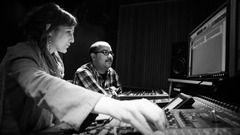
Develop a song from initial idea to polished production in this capstone experience, using the knowledge and experience gained from Developing Your Musicianship, Introduction to Music Production, and Songwriting.

This course provides an introductory survey of the Western classical tradition, exploring music both as a phenomenon of sound and culture. The focus of this course is the development of aural skills that lead to an understanding and appreciation of music. Making use of live performances and streaming audio available on the Internet, we will listen to and explore some of the most important and influential repertoires and genres of music that emerged in the last four centuries: High Renaissance vocal music, the cantatas and oratorios of Bach and Handel, Mozart’s comic operas, the monumental orchestral works of the Romantic movement, and the major musical movements of twentieth-century Europe and America, revealing significant connections with contemporary pop and jazz styles. These styles have become an enduring part of the world of music in the twenty-first century, traveling out of the concert hall and conservatory into the larger world via movies, television, and the Internet. This course will begi…

Explores the factors — musical and cultural — that led to the birth of American rock 'n' roll music in the early 1950s.

This course provides an engaging and methodical insight into the past and present cultural and commercial music industry developments, directions, and trends. It will equip the students with the knowledge and skills necessary to appreciate, understand and more productively participate in today’s music industry field.
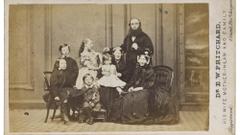
Explore the Victorian craze for photography, examine its history, from the earliest images in 1839 and how it has influenced the way we capture and share images today as photography moved from being a niche concern of the few, to one of the most important cultural forms of the modern world.

The level of popularity you experienced in childhood and adolescence is still affecting you today in ways that you may not even realize. Learn about how psychologists study popularity and how these same concepts can be used in adulthood to be more successful at work, become better parents, and have a happier life.

In many ways Scandinavian film and television is a global cultural brand, connected with and exporting some of the cultural and social values connected to a liberal and progressive welfare society. This course deals with the social, institutional and cultural background of film and television in Scandinavia and in a broader European and global context.
Add to calendar

Trusted paper writing service WriteMyPaper.Today will write the papers of any difficulty.