

Courses tagged with "Chemical reactions (stoichiometry)" (97)

Get a basic overview of microbiology before exploring advanced topics like bacterial cell morphology, nitrogen fixation and protozoan diseases through this online Education Portal course, Biology 103: Microbiology. Watch our video lessons on STDs, bacterial diseases and foodborne illnesses as you prepare to earn real college credit through the Microbiology Excelsior Exam . Though the subjects covered in these lessons are somewhat intense, our experienced, knowledgeable instructors have kept the videos brief, engaging and easy to follow. You also can benefit from the multiple-choice quizzes and written transcripts that complement each video.
Get a basic overview of microbiology before exploring advanced topics like bacterial cell morphology, nitrogen fixation and protozoan diseases through this online Education Portal course, Biology 103: Microbiology. Watch our video lessons on STDs, bacterial diseases and foodborne illnesses as you prepare to earn real college credit through the Microbiology Excelsior Exam . Though the subjects covered in these lessons are somewhat intense, our experienced, knowledgeable instructors have kept the videos brief, engaging and easy to follow. You also can benefit from the multiple-choice quizzes and written transcripts that complement each video.

Introduction to cell structure & function, molecular & organism genetics, animal development, form & function.
Diffusion and Osmosis. Parts of a cell. Chromosomes, Chromatids, Chromatin, etc.. Mitosis, Meiosis and Sexual Reproduction. Phases of Mitosis. Phases of Meiosis. Embryonic Stem Cells. Cancer. Diffusion and Osmosis. Parts of a cell. Chromosomes, Chromatids, Chromatin, etc.. Mitosis, Meiosis and Sexual Reproduction. Phases of Mitosis. Phases of Meiosis. Embryonic Stem Cells. Cancer.
ATP: Adenosine Triphosphate. Introduction to Cellular Respiration. Oxidation and Reduction Review From Biological Point-of-View. Oxidation and Reduction in Cellular Respiration. Krebs / Citric Acid Cycle. Glycolysis. Electron Transport Chain. Oxidative Phosphorylation and Chemiosmosis. ATP: Adenosine Triphosphate. Introduction to Cellular Respiration. Oxidation and Reduction Review From Biological Point-of-View. Oxidation and Reduction in Cellular Respiration. Krebs / Citric Acid Cycle. Glycolysis. Electron Transport Chain. Oxidative Phosphorylation and Chemiosmosis.
Introduction to Evolution and Natural Selection. Ape Clarification. Intelligent Design and Evolution. Evolution Clarification. Natural Selection and the Owl Butterfly. DNA. Variation in a Species. Introduction to Evolution and Natural Selection. Ape Clarification. Intelligent Design and Evolution. Evolution Clarification. Natural Selection and the Owl Butterfly. DNA. Variation in a Species.
Introduction to Heredity. Punnett Square Fun. Hardy-Weinberg Principle. Sex-Linked Traits. Genetics 101 Part 1: What are genes?. Genetics 101 Part 2: What are SNPs?. Genetics 101 Part 3: Where do your genes come from?. Genetics 101 Part 4: What are Phenotypes?. Introduction to Heredity. Punnett Square Fun. Hardy-Weinberg Principle. Sex-Linked Traits. Genetics 101 Part 1: What are genes?. Genetics 101 Part 2: What are SNPs?. Genetics 101 Part 3: Where do your genes come from?. Genetics 101 Part 4: What are Phenotypes?.
The Lungs and Pulmonary System. Red blood cells. Circulatory System and the Heart. Hemoglobin. Anatomy of a Neuron. Sodium Potassium Pump. Correction to Sodium and Potassium Pump Video. Electrotonic and Action Potentials. Saltatory Conduction in Neurons. Neuronal Synapses (Chemical). Myosin and Actin. Tropomyosin and troponin and their role in regulating muscle contraction. Role of the Sarcoplasmic Reticulum in Muscle Cells. Anatomy of a muscle cell. The Kidney and Nephron. Secondary Active Transport in the Nephron. The Lungs and Pulmonary System. Red blood cells. Circulatory System and the Heart. Hemoglobin. Anatomy of a Neuron. Sodium Potassium Pump. Correction to Sodium and Potassium Pump Video. Electrotonic and Action Potentials. Saltatory Conduction in Neurons. Neuronal Synapses (Chemical). Myosin and Actin. Tropomyosin and troponin and their role in regulating muscle contraction. Role of the Sarcoplasmic Reticulum in Muscle Cells. Anatomy of a muscle cell. The Kidney and Nephron. Secondary Active Transport in the Nephron.

Role of Phagocytes in Innate or Nonspecific Immunity. Types of immune responses: Innate and Adaptive. Humoral vs. Cell-Mediated. B Lymphocytes (B cells). Professional Antigen Presenting Cells (APC) and MHC II complexes. Helper T Cells. Cytotoxic T Cells. Review of B cells, CD4+ T cells and CD8+ T cells. Inflammatory Response. Role of Phagocytes in Innate or Nonspecific Immunity. Types of immune responses: Innate and Adaptive. Humoral vs. Cell-Mediated. B Lymphocytes (B cells). Professional Antigen Presenting Cells (APC) and MHC II complexes. Helper T Cells. Cytotoxic T Cells. Review of B cells, CD4+ T cells and CD8+ T cells. Inflammatory Response.
ATP: Adenosine Triphosphate. Photosynthesis. Photosynthesis: Light Reactions 1. Photosynthesis: Light Reactions and Photophosphorylation. Photosynthesis: Calvin Cycle. Photorespiration. C-4 Photosynthesis. CAM Plants. ATP: Adenosine Triphosphate. Photosynthesis. Photosynthesis: Light Reactions 1. Photosynthesis: Light Reactions and Photophosphorylation. Photosynthesis: Calvin Cycle. Photorespiration. C-4 Photosynthesis. CAM Plants.

Taxonomy and the Tree of Life. Species. Bacteria. Viruses. Human Prehistory 101: Prologue. Human Prehistory 101 Part 1: Out of (Eastern) Africa. Human Prehistory 101 Part 2: Weathering The Storm. Human Prehistory 101 Part 3: Agriculture Rocks Our World. Human Prehistory 101: Epilogue. Taxonomy and the Tree of Life. Species. Bacteria. Viruses. Human Prehistory 101: Prologue. Human Prehistory 101 Part 1: Out of (Eastern) Africa. Human Prehistory 101 Part 2: Weathering The Storm. Human Prehistory 101 Part 3: Agriculture Rocks Our World. Human Prehistory 101: Epilogue.

This course deals with the biology of cells of higher organisms: The structure, function, and biosynthesis of cellular membranes and organelles; cell growth and oncogenic transformation; transport, receptors, and cell signaling; the cytoskeleton, the extracellular matrix, and cell movements; chromatin structure and RNA synthesis.

The goal of this course is to teach both the fundamentals of nuclear cell biology as well as the methodological and experimental approaches upon which they are based. Lectures and class discussions will cover the background and fundamental findings in a particular area of nuclear cell biology. The assigned readings will provide concrete examples of the experimental approaches and logic used to establish these findings. Some examples of topics include genome and systems biology, transcription, and gene expression.

This course serves as an introduction to the structure and function of the nervous system. Emphasis is placed on the cellular properties of neurons and other excitable cells. Topics covered include the structure and biophysical properties of excitable cells, synaptic transmission, neurochemistry, neurodevelopment, and the integration of information in simple systems and the visual system.

The course focuses on casting contemporary problems in systems biology and functional genomics in computational terms and providing appropriate tools and methods to solve them. Topics include genome structure and function, transcriptional regulation, and stem cell biology in particular; measurement technologies such as microarrays (expression, protein-DNA interactions, chromatin structure); statistical data analysis, predictive and causal inference, and experiment design. The emphasis is on coupling problem structures (biological questions) with appropriate computational approaches.

Do you like teaching, but find yourself frustrated by how little students seem to learn? Would you like to try teaching, but are nervous about whether you will be any good at it? Are you interested in new research on science education? Research in science education shows that the greatest obstacle to student learning is the failure to identify and confront the misconceptions with which the students enter the class or those that they acquire during their studies. This weekly seminar course focuses on developing the participants' ability to uncover and confront student misconceptions and to foster student understanding and retention of key concepts. Participants read primary literature on science education, uncover basic concepts often overlooked when teaching biology, and lead a small weekly discussion session for students currently enrolled in introductory biology classes.
The instructor for this course, Dr. Kosinski-Collins, is a member of the HHMI Education Group.

This graduate and advanced undergraduate level lecture and literature discussion course covers the current understanding of the molecular mechanisms that regulate animal development. Evolutionary mechanisms are emphasized as well as the discussion of relevant diseases. Vertebrate (mouse, chick, frog, fish) and invertebrate (fly, worm) models are covered. Specific topics include formation of early body plan, cell type determination, organogenesis, morphogenesis, stem cells, cloning, and issues in human development.
This graduate and advanced undergraduate level lecture and literature discussion course covers the current understanding of the molecular mechanisms that regulate animal development. Evolutionary mechanisms are emphasized as well as the discussion of relevant diseases. Vertebrate (mouse, chick, frog, fish) and invertebrate (fly, worm) models are covered. Specific topics include formation of early body plan, cell type determination, organogenesis, morphogenesis, stem cells, cloning, and issues in human development.
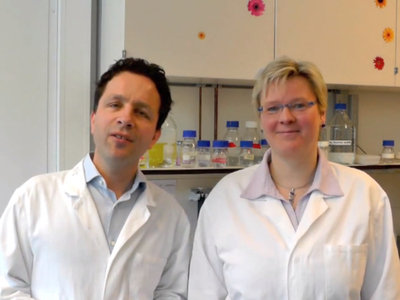
DNA stores our genetic information and many diseases are caused by changes in its sequences. We will first learn about the basics of DNA and then find out how it allows for the development of diagnostic and therapeutic strategies.

This introductory biology laboratory course covers the application of experimental techniques in microbiology, biochemistry, cell and developmental biology. Emphasis is placed on the integration of factual knowledge with understanding of the design of the experiments and data analysis in order to prepare the students for future research projects. Development of skills critical for writing about scientific findings in modern biology is also covered in the Scientific Communications portion of the curriculum, 7.02CI.
Additional Faculty
Dr. Katherine Bacon Schneider
Dr. Jean-Francois Hamel
Ms. Deborah Kruzel
Dr. Megan Rokop
Add to calendar

Trusted paper writing service WriteMyPaper.Today will write the papers of any difficulty.