

Courses tagged with "Curriculum" (169)
In this course, we explore what it means to be a leader in the context of healthcare. How is it different to leadership in other industries? What are the particular skills and attitudes leaders need to have to navigate the complexity of healthcare leadership?
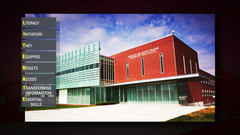
In the United States, two-thirds of the population read at an eight-grade level or below. When it comes to health information, most Americans have the ability to read and write at the fifth-grade level. This inter-professional course aims to give health professionals the tools needed to improve upon their health literacy and communication skills.

This course will explore the many problems of the American health care system and discuss the specific ways that the Affordable Care Act will impact access, quality, costs, as well as medical innovation.

This interdisciplinary course focuses on sustainable innovation, introducing entrepreneurial students to the realities of problem identification and solution design within the complex world of healthcare.

Este curso está diseñado para que los estudiantes adquieran los conocimientos necesarios para distinguir los cuatro tipos de tejidos celulares que conforman el organismo. Está dirigido a estudiantes de Medicina, Biología, Veterinaria, Fisioterapia y Enfermería

How can we use the things we share in common to address some of the most challenging problems facing the world? This course examines issues concerning poverty, the environment, technology, health care, gender, education and activism to helps us understand better how to initiate positive change.

Did you know that human trafficking is a form of modern day slavery? Slavery has been around since the beginning of civilization and still persists across our world today. As a human rights issue, it is important to increase awareness as a starting point down the journey toward freedom for all.
Creativity is an essential skill for the 21st Century that is innate in all people and can be nurtured. We constantly need new and better ideas for almost every aspect of our professional and personal lives. The goal of this course is to help you recognize, develop and act upon the creativity that you already possess.

This course provides those involved in educating members of the health professions an asynchronous, interdisciplinary, and interactive way to obtain, expand, and improve their teaching skills. These skills can then be applied within their own professional context, with a variety of learners, extending across many stages.

This course examines the implications of informatics for practice, in nursing, public health, and healthcare in general. It covers electronic health record issues and relates ethical, legislative and political issues to health informatics. Students will also explore global and future informatics issues.
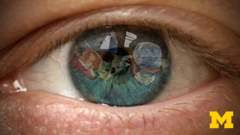
This comprehensive course will give you the fundamental knowledge needed to begin performing cataract surgery by phacoemulsification and extracapsular removal. Each step from preoperative evaluation to postoperative care will be covered to help prepare you for the operating room.
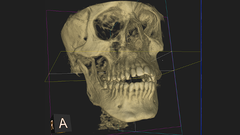
The mouth is the window into human health. This course provides an overview of dental medicine to engage, educate, excite and assist you in improving the oral health of your patients and members of your community.

Behavioral genetic methodologies from twin and adoption studies through DNA analysis will be described and applied to address longstanding questions about the origins of individual differences in behavioral traits.

This course is a survey of the profession of pharmacy including its history, evolving scope of practice, ethical foundations, regulation, educational and career opportunities, and more. We will also explore topics relating to medication use and drug development.

Learn to assess data from clinical trials by performing systematic reviews and meta-analyses.
Cancer strikes individuals, affects families and causes economic hardship. The burden of cancer will rise globally in coming years due to a growing, aging world population. This open course is designed for people who may be unfamiliar with science but are interested in developing a sound understanding of cancer and how it is diagnosed, treated, prevented and studied.
This is a course in basic journalism skills designed for citizens who are using new media to publish news, views and information. We cover writing skills, interviews, ethics, law and accessing public forums and documents. We also introduce basic investigative skills.

Whether you are an outstanding or a struggling student, "Learning How to Learn" will give you powerful mental tools that will help you learn more effectively in tough-to-master subjects. You will discover practical, immediately useful insights that will help you to more deeply master your studies.

Health professionals and students, family caregivers, friends of and affected individuals, and others interested in learning about dementia and quality care will benefit from completing the course. Led by Drs. Nancy Hodgson and Laura Gitlin, participants will acquire foundational knowledge in the care of persons with Alzheimer’s Disease and other neurocognitive disorders in this 5-week course.

Illustrates the principles of public health applied to depressive disorder, including principles of epidemiology, transcultural psychiatry, health services research, and prevention.
Add to calendar

Trusted paper writing service WriteMyPaper.Today will write the papers of any difficulty.