

Online courses directory (19947)

This topic focuses on how to design and create products that solve real problems and bring academic content to life. Ping pong ball launcher introduction. Build a ping pong ball launcher . Update and modify your ping pong ball launcher.

Learn all about hypertension: symptoms, diagnosis, and how lifestyle changes can make a difference!. What is hypertension?. Hypertension symptoms and categories. Hypertension effects on the blood vessels. Hypertension effects on the heart. 4 lifestyle changes to help manage hypertension. What is hypertension?. Hypertension symptoms and categories. Hypertension effects on the blood vessels. Hypertension effects on the heart. 4 lifestyle changes to help manage hypertension.

In this class you will look behind the scenes of image and video processing, from the basic and classical tools to the most modern and advanced algorithms.
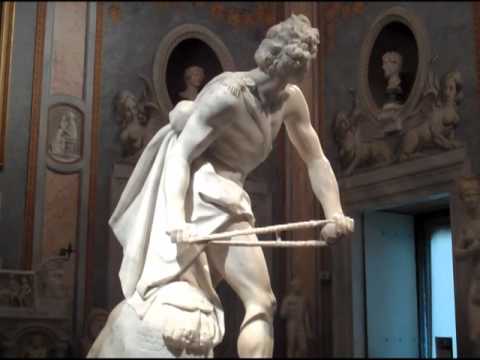
The 17th Century is the era of the Baroque style, characterized by energy, drama, and movement. The Church in Rome needed art that spoke to its resurgent power even as the conflict between Protestant and Catholics continued. A new realism
Using polynomial expressions and factoring polynomials. Terms coefficients and exponents in a polynomial. Interesting Polynomial Coefficient Problem. Polynomials1. Polynomials 2. Evaluating a polynomial at a given value. Simplify a polynomial. Adding Polynomials. Example: Adding polynomials with multiple variables. Addition and Subtraction of Polynomials. Adding and Subtracting Polynomials 1. Adding and Subtracting Polynomials 2. Adding and Subtracting Polynomials 3. Subtracting Polynomials. Subtracting polynomials with multiple variables. Adding and subtracting polynomials. Multiplying Monomials. Dividing Monomials. Multiplying and Dividing Monomials 1. Multiplying and Dividing Monomials 2. Multiplying and Dividing Monomials 3. Monomial Greatest Common Factor. Factoring and the Distributive Property. Factoring and the Distributive Property 2. Factoring and the Distributive Property 3. Multiplying Binomials with Radicals. Multiplication of Polynomials. Multiplying Binomials. Multiplying Polynomials1. Multiplying Polynomials 2. Square a Binomial. Special Products of Binomials. Special Polynomials Products 1. Factor polynomials using the GCF. Special Products of Polynomials 1. Special Products of Polynomials 2. Multiplying expressions 0.5. Factoring linear binomials. Multiplying expressions 1. Multiplying Monomials by Polynomials. Multiplying Polynomials. Multiplying Polynomials 3. More multiplying polynomials. Multiplying polynomials. Level 1 multiplying expressions. Polynomial Division. Polynomial divided by monomial. Dividing multivariable polynomial with monomial. Dividing polynomials 1. Dividing polynomials with remainders. Synthetic Division. Synthetic Division Example 2. Why Synthetic Division Works. Factoring Sum of Cubes. Difference of Cubes Factoring. Algebraic Long Division. Algebra II: Simplifying Polynomials. Terms coefficients and exponents in a polynomial. Interesting Polynomial Coefficient Problem. Polynomials1. Polynomials 2. Evaluating a polynomial at a given value. Simplify a polynomial. Adding Polynomials. Example: Adding polynomials with multiple variables. Addition and Subtraction of Polynomials. Adding and Subtracting Polynomials 1. Adding and Subtracting Polynomials 2. Adding and Subtracting Polynomials 3. Subtracting Polynomials. Subtracting polynomials with multiple variables. Adding and subtracting polynomials. Multiplying Monomials. Dividing Monomials. Multiplying and Dividing Monomials 1. Multiplying and Dividing Monomials 2. Multiplying and Dividing Monomials 3. Monomial Greatest Common Factor. Factoring and the Distributive Property. Factoring and the Distributive Property 2. Factoring and the Distributive Property 3. Multiplying Binomials with Radicals. Multiplication of Polynomials. Multiplying Binomials. Multiplying Polynomials1. Multiplying Polynomials 2. Square a Binomial. Special Products of Binomials. Special Polynomials Products 1. Factor polynomials using the GCF. Special Products of Polynomials 1. Special Products of Polynomials 2. Multiplying expressions 0.5. Factoring linear binomials. Multiplying expressions 1. Multiplying Monomials by Polynomials. Multiplying Polynomials. Multiplying Polynomials 3. More multiplying polynomials. Multiplying polynomials. Level 1 multiplying expressions. Polynomial Division. Polynomial divided by monomial. Dividing multivariable polynomial with monomial. Dividing polynomials 1. Dividing polynomials with remainders. Synthetic Division. Synthetic Division Example 2. Why Synthetic Division Works. Factoring Sum of Cubes. Difference of Cubes Factoring. Algebraic Long Division. Algebra II: Simplifying Polynomials.

Admit it — you wanted to be an archaeologist when you grew up... This course builds on that enthusiasm, while radically expanding your notions about just what archaeology is and just what archaeologists do.

Each mammalian cell has the same genes, yet performs distinct functions. This is achieved by epigenetic control of gene expression; the switching on and switching off of genes. This course will cover the principles of epigenetic control of gene expression, how epigenetic control contributes to cellular differentiation and development, and how it goes wrong in disease.

This class will teach you about the basic principles of 3D computer graphics: meshes, transforms, cameras, materials, lighting, and animation.
Understanding, solving, and converting percents. Describing the Meaning of Percent. Describing the Meaning of Percent 2. Representing a number as a decimal, percent, and fraction. Converting decimals to percents (ex 1). Converting decimals to percents (ex 2). Identifying Percent Amount and Base. Solving Percent Problems. Solving Percent Problems 2. Solving Percent Problems 3. Growing by a percentage. Representing a number as a decimal, percent, and fraction 2. Ordering numeric expressions.
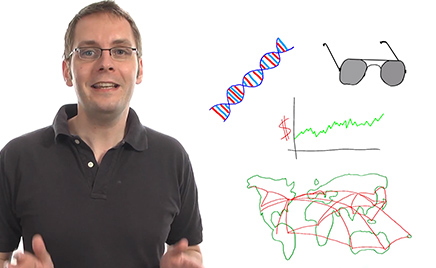
This class teaches you about basic concepts in theoretical computer science -- such as NP-completeness -- and what they imply for solving tough algorithmic problems.

Thermodynamics (part 1). Thermodynamics (part 2). Thermodynamics (part 3). Thermodynamics (part 4). Thermodynamics (part 5). Macrostates and Microstates. Quasistatic and Reversible Processes. First Law of Thermodynamics/ Internal Energy. More on Internal Energy. Work from Expansion. PV-diagrams and Expansion Work. Proof: U=(3/2)PV or U=(3/2)nRT. Work Done by Isothermic Process. Carnot Cycle and Carnot Engine. Proof: Volume Ratios in a Carnot Cycle. Proof: S (or Entropy) is a valid state variable. Thermodynamic Entropy Definition Clarification. Reconciling Thermodynamic and State Definitions of Entropy. Entropy Intuition. Maxwell's Demon. More on Entropy. Efficiency of a Carnot Engine. Carnot Efficiency 2: Reversing the Cycle. Carnot Efficiency 3: Proving that it is the most efficient. Enthalpy. Heat of Formation. Hess's Law and Reaction Enthalpy Change. Gibbs Free Energy and Spontaneity. Gibbs Free Energy Example. More rigorous Gibbs Free Energy/ Spontaneity Relationship. A look at a seductive but wrong Gibbs/Spontaneity Proof. Stoichiometry Example Problem 1. Stoichiometry Example Problem 2. Limiting Reactant Example Problem 1. Empirical and Molecular Formulas from Stoichiometry. Example of Finding Reactant Empirical Formula. Stoichiometry of a Reaction in Solution. Another Stoichiometry Example in a Solution. Molecular and Empirical Forumlas from Percent Composition. Hess's Law Example. Thermodynamics (part 1). Thermodynamics (part 2). Thermodynamics (part 3). Thermodynamics (part 4). Thermodynamics (part 5). Macrostates and Microstates. Quasistatic and Reversible Processes. First Law of Thermodynamics/ Internal Energy. More on Internal Energy. Work from Expansion. PV-diagrams and Expansion Work. Proof: U=(3/2)PV or U=(3/2)nRT. Work Done by Isothermic Process. Carnot Cycle and Carnot Engine. Proof: Volume Ratios in a Carnot Cycle. Proof: S (or Entropy) is a valid state variable. Thermodynamic Entropy Definition Clarification. Reconciling Thermodynamic and State Definitions of Entropy. Entropy Intuition. Maxwell's Demon. More on Entropy. Efficiency of a Carnot Engine. Carnot Efficiency 2: Reversing the Cycle. Carnot Efficiency 3: Proving that it is the most efficient. Enthalpy. Heat of Formation. Hess's Law and Reaction Enthalpy Change. Gibbs Free Energy and Spontaneity. Gibbs Free Energy Example. More rigorous Gibbs Free Energy/ Spontaneity Relationship. A look at a seductive but wrong Gibbs/Spontaneity Proof. Stoichiometry Example Problem 1. Stoichiometry Example Problem 2. Limiting Reactant Example Problem 1. Empirical and Molecular Formulas from Stoichiometry. Example of Finding Reactant Empirical Formula. Stoichiometry of a Reaction in Solution. Another Stoichiometry Example in a Solution. Molecular and Empirical Forumlas from Percent Composition. Hess's Law Example.

In this course, you will learn to design the computer architecture of complex modern microprocessors.

This is a transitional period. In the art of Florence and Siena there is a move away from medieval abstract depictions of space and the human body as artists began to focus on the illusion of mass and space and the expression of human emotion. With hindsight, it is possible to trace elements of Renaissance art back to this period. This century saw the creation of the beautiful poetry of Dante and Petrarch, but it is also the century that saw the worst outbreak of the Bubonic plague (known then as the Black Death) which wiped out close to half the population of Europe

This course will teach you how to analyze and improve business processes, be it in services or in manufacturing. You will learn how to improve productivity, how to provide more choice to customers, how to reduce response times, and how to improve quality.

Learn how MOS transistors work, and how to model them. The understanding provided in this course is essential not only for device modelers, but also for designers of high-performance circuits.

A course driven by 20 practical questions about wireless, web, and the Internet, about how products from companies like Apple, Google, Facebook, Netflix, Amazon, Ericsson, HP, Skype and AT&T work. In this offering, we will cover 7 of the 20 questions, and you will have the opportunity to personalize your own learning experience by choosing which of the versions suits you best.

Learn how to analyze an organization's strategy and make recommendations to improve its value creation by building your strategist's toolkit. This course will be available on demand in February 2015.
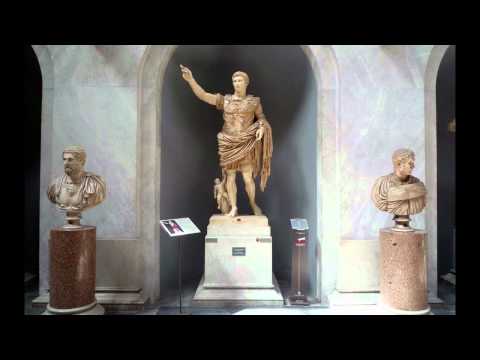
Augustus of Primaporta. Painted Garden, Villa of Livia. Head of Augustus. Sculpture from the Parthenon's East Pediment. Victory Stele of Naram-Sin. Ancient Greek Temples at Paestum, Italy. Dying Gaul. Ara Pacis. The Standard of Ur. Dionysiac frieze, Villa of Mysteries, Pompeii. East and West Pediments, Temple of Aphaia, Aegina. Colosseum. Myron, Discobolus (Discus Thrower), Roman copy of an ancient Greek bronze from c. 450 B.C.E.. Nike of Samothrace. Law Code Stele of King Hammurabi . The Pergamon Altar. Arch of Titus. Great Lyre from the "King's Grave" at Ur. Hadrian's Villa: A Virtual Tour. Parthenon Frieze. Maritime Theatre at Hadrian's Villa, Tivoli. Neo-Assyrian Art: Human Headed Winged Lion and Bull (Lamassu). The Parthenon: Metopes. Pair of Centaurs Fighting Cats of Prey from Hadrian's Villa. Mixing Vessel with Odysseus Escaping from the Cyclops' Cave. Erechtheion: Caryatid and Column. Column of Trajan. Ishtar Gate and Processional Way . Medea Sarcophagus, 140 - 150 C.E.. Equestrian Sculpture of Marcus Aurelius. Ludovisi Battle Sarcophagus. After Praxiteles, Venus (Roman Copy). Apollonius, Boxer at Rest, c. 100 B.C.E.. Nude Woman (Venus of Willendorf). Seated Scribe. Arch of Constantine. Digging Through Time. Thutmose's Bust of Nefertiti. House Altar with Akhenaten, Nefertiti and Three Daughters. Ramesses II. Alexander Mosaic. The Colossus of Constantine. Rosetta Stone. Hellenistic Art at the Metropolitan: Eros Sleeping and An Old Market Woman. Bodhisattva from China. Geometric Greek Krater. Exekias, Attic black figure amphora with Ajax and Achilles playing a game. Buddha of Medicine Bhaishajyaguru (Yaoshi fo). Polykleitos, Doryphoros (Spear-Bearer). Barberini Faun, c. 220 B.C.E.. New York Kouros. Japan, Muromachi to Momoyama period Negoro ware ewer. Ancient Rome. Temple of Portunus. The Pantheon, Rome.

What is the nature of our relationship to others and the world? How can literature help us see these relationships more clearly? This course seeks to explore such questions through adventurous readings of ten great works of narrative fiction from the 18th to the 20th century.
Add to calendar

Trusted paper writing service WriteMyPaper.Today will write the papers of any difficulty.