

Online courses directory (4179)

Build your earth science vocabulary and learn about cycles of matter and types of sedimentary rocks through the Education Portal course Earth Science 101: Earth Science. Our series of video lessons and accompanying self-assessment quizzes can help you boost your scientific knowledge ahead of the Excelsior Earth Science exam . This course was designed by experienced educators and examines both science basics, like experimental design and systems of measurement, and more advanced topics, such as analysis of rock deformation and theories of continental drift.
Build your earth science vocabulary and learn about cycles of matter and types of sedimentary rocks through the Education Portal course Earth Science 101: Earth Science. Our series of video lessons and accompanying self-assessment quizzes can help you boost your scientific knowledge ahead of the Excelsior Earth Science exam . This course was designed by experienced educators and examines both science basics, like experimental design and systems of measurement, and more advanced topics, such as analysis of rock deformation and theories of continental drift.
Build your earth science vocabulary and learn about cycles of matter and types of sedimentary rocks through the Education Portal course Earth Science 101: Earth Science. Our series of video lessons and accompanying self-assessment quizzes can help you boost your scientific knowledge ahead of the Excelsior Earth Science exam . This course was designed by experienced educators and examines both science basics, like experimental design and systems of measurement, and more advanced topics, such as analysis of rock deformation and theories of continental drift.
Build your earth science vocabulary and learn about cycles of matter and types of sedimentary rocks through the Education Portal course Earth Science 101: Earth Science. Our series of video lessons and accompanying self-assessment quizzes can help you boost your scientific knowledge ahead of the Excelsior Earth Science exam . This course was designed by experienced educators and examines both science basics, like experimental design and systems of measurement, and more advanced topics, such as analysis of rock deformation and theories of continental drift.
Build your earth science vocabulary and learn about cycles of matter and types of sedimentary rocks through the Education Portal course Earth Science 101: Earth Science. Our series of video lessons and accompanying self-assessment quizzes can help you boost your scientific knowledge ahead of the Excelsior Earth Science exam . This course was designed by experienced educators and examines both science basics, like experimental design and systems of measurement, and more advanced topics, such as analysis of rock deformation and theories of continental drift.

This course covers Algebra and Number Theory and employs a methodology of self-diagnosis to speed a prospective test-takers' preparation for the exam.

Study faster and smarter for the CSET Mathematics Subtest II exam. The CSET Mathematics Subtest II covers geometry, statistics and probability.

Study faster and smarter for the CSET Mathematics Subtest III exam. The CSET Mathematics Subtest II covers geometry, statistics and probability.
Build your earth science vocabulary and learn about cycles of matter and types of sedimentary rocks through the Education Portal course Earth Science 101: Earth Science. Our series of video lessons and accompanying self-assessment quizzes can help you boost your scientific knowledge ahead of the Excelsior Earth Science exam . This course was designed by experienced educators and examines both science basics, like experimental design and systems of measurement, and more advanced topics, such as analysis of rock deformation and theories of continental drift.
Build your earth science vocabulary and learn about cycles of matter and types of sedimentary rocks through the Education Portal course Earth Science 101: Earth Science. Our series of video lessons and accompanying self-assessment quizzes can help you boost your scientific knowledge ahead of the Excelsior Earth Science exam . This course was designed by experienced educators and examines both science basics, like experimental design and systems of measurement, and more advanced topics, such as analysis of rock deformation and theories of continental drift.
Build your earth science vocabulary and learn about cycles of matter and types of sedimentary rocks through the Education Portal course Earth Science 101: Earth Science. Our series of video lessons and accompanying self-assessment quizzes can help you boost your scientific knowledge ahead of the Excelsior Earth Science exam . This course was designed by experienced educators and examines both science basics, like experimental design and systems of measurement, and more advanced topics, such as analysis of rock deformation and theories of continental drift.

Study faster and smarter for the CSET Science Subtest I exam. This exam preparation resource covers Astronomy, Dynamic Processes of the Earth (Geodynamics), Earth Resources, Optics and Waves, Forces and Motion and Electricity and Magnetism.
Build your earth science vocabulary and learn about cycles of matter and types of sedimentary rocks through the Education Portal course Earth Science 101: Earth Science. Our series of video lessons and accompanying self-assessment quizzes can help you boost your scientific knowledge ahead of the Excelsior Earth Science exam . This course was designed by experienced educators and examines both science basics, like experimental design and systems of measurement, and more advanced topics, such as analysis of rock deformation and theories of continental drift.
Aspiring teachers need to pass one or more of the California Subject Examinations for Teachers (CSET) to qualify for licensure in this state. The CSET for social science teachers consists of three subtests covering history, geography, civics and economics. Subtest I focuses on world history and world geography. It includes 39 multiple-choice questions, two short response essay questions and one extended response essay question. You'll have five hours for your testing session, and you can choose to take one, two or all three subtests during this time. The test is offered only in a paper-based format, and you'll need to bring your own #2 pencils on test day. You can prepare for the exam with Education Portal's study guide, which includes video lessons and quizzes on the following topics:
- Ancient civilization
- Medieval and early modern times
- Modern world history
- Tools and methods for geographic study
- Geographic diversity
You'll encounter questions about the social and cultural structures, intellectual contributions and philosophical traditions of ancient civilizations from a wide range of geographical regions. Significant economic and political developments occurring in early modern Europe are covered as well. You can also expect to answer questions on topics ranging from the causes and outcomes of 18th century conflicts like the American Revolution to the impact of 19th century imperialism. Additional exam topics include the effects of world wars I and II and the Cold War. You should also be familiar with physical and human geography to do well on the test.
Preparing and Registering for the CSET Social Science Subtest I
Education Portal's study guide provides you with short video lessons that discuss all of the topics included on the exam. The instructors break down the information into manageable sections that are engaging and easy to follow. You can even use the corresponding quizzes to assess your understanding of the material and find out how the exam's multiple-choice questions are formatted.
Begin the registration process by creating an online account through the CSET website. Once you've selected a username and password and entered in your personal information, you'll be able to choose the test date and testing location that suits you. The social science subtests are administered four times a year. The regular registration deadline falls about one month before the test date, though you can sign up by the late and emergency registration deadlines for an additional fee.


What inspires and influences us as artists? This course offers a unique cross-cultural comparative study of creative practice. The class will be conducted in a presentation and discussion format, and is introspective and participatory. Individually, students will share their own art-making and artistic influences across a variety of topics and be asked to examine and articulate what factors shape their values and aesthetics. As part of this, students will also be asked to document aspects of their lives as well as collect examples of art and media.
During this five week project, students will be given a theme they will develop into a story. This story will form the basis for an original artwork produced during the class, in any medium the student chooses. At the end of the five week period, each story will be presented in the format chosen by the artist. By comparing and analyzing the work, the class will examine differences and similarities of interpretation and expression between cultures.

Building great corporate culture is more than just metaphors; it's what motivates a winning team. Most people at co

A guide to designing culverts for access roads and laneways supporting agricultural conservation projects
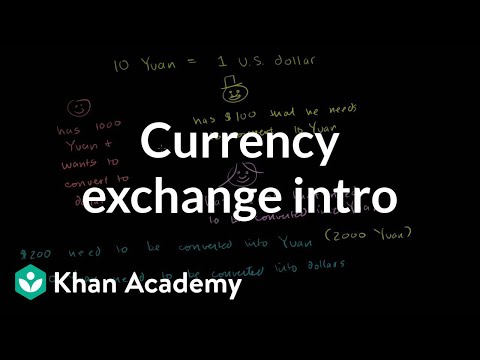
Videos about currency exchange. Currency Exchange Introduction. Currency Effect on Trade. Currency Effect on Trade Review. Pegging the Yuan. Chinese Central Bank Buying Treasuries. American-Chinese Debt Loop. Debt Loops Rationale and Effects. China keeps peg but diversifies holdings.
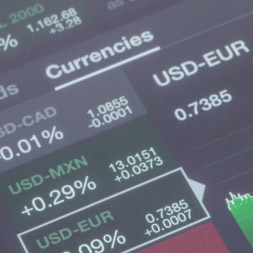
When most people think about currency exchange, we are usually thinking about buying foreign currency to bring with us on vacation. However, currency exchange involves much more such as treasuries, bonds, imports and exports, trade imbalances, and the borrowing costs of a country. This free online course about currency exchange gives us a key insight into the financing behind a country's growth and development, and answers questions such as how is the money raised to build a country's infrastructure. The course discusses how currency is valued, devalued, and how countries trade and lend money to each other. It also discusses the knock-on effects of lack of demand for treasury bonds to a country and the costs thereafter. This course will be of great interest to business and finance professionals who would like to learn more about currency exchange mechanisms, and to the non-finance professional person wishing to know more about what role currency exchange practices play in the financial system.<br />
Add to calendar

Trusted paper writing service WriteMyPaper.Today will write the papers of any difficulty.