

Online courses directory (801)

The free online course in Introduction to Ecology provides detailed information about the different types of ecosystems, terrestrial and aquatic biomes, and the effects of climate change on biodiversity. The course first introduces you to the scope of ecology and biogeography with a focus on the distribution of plant and animal species and their impact on the terrestrial environment. You will learn how to differentiate between ecological patterns and processes at different scales and levels of biological organisation (population, community and ecosystem). Next, you will learn to identify and recognize the distinguishing characteristics of terrestrial and aquatic biomes. You will gain an understanding of what controls animal and plant distribution, abundance and biodiversity. You will learn how plants and animals absorb energy and nutrients from the ecosystem around them as well as how species interact with each other. You will learn about the biology of various habitats from marine and freshwater to terrestrial habitats and the soil. Finally, you are introduced to climate and the effects of global climate change where you will learn about the interaction between humans, animals and the environment with specific reference to the effects of modern technological advances. You will gain an understanding of the role ecology plays in conservation, wetland and natural resource management, forestry, agriculture and fisheries, as well as the climatological challenges faced by society. The course will be ideal for professionals working in the area of biology, ecology or environmental science, for students who wish to pursue a career in the sciences, or for those who simply want to learn more about building a sustainable existence on this planet. This course will also be of great interest to anyone who would like to learn more about ecological diversity and the distribution of organisms in the global ecosystem around them or those who are concerned about their impact on the environment. <br />

The free online course in Ecology Studies – Population and Community Ecology introduces you to patterns of population distribution, population growth and species relationships and behaviours. You will learn about species populations, how life patterns evolve through natural selection, and how species behaviours are influenced by the environment. The course begins by introducing you to the tools that ecologists use to measure the characteristics of populations such as size, density, dispersion pattern and age structure. You will also learn how life tables are used to calculate population life expectancy. You will learn to identify the environmental limits to population growth, how populations with unlimited resources grow exponentially and, when resources become limited why populations then follow a logistic growth curve. You will gain an understanding of population dynamics and regulation based on density-dependent and density-independent factors and learn how the age structure of a population allows us to predict population growth. You will also learn about the characteristics used to categorize species. Finally, you are introduced to community ecology where you will learn the features of community structure and keystone species, and how some species can form symbiotic relationships within an ecological community. You will be introduced to behavioural biology and learn about behaviours such as imprinting and habituation, conditioning, and cognitive learning and methods of communication. The course will be of great interest to professionals working in the areas of ecology or environmental science, and who would like to learn more about the social and environmental consequences of population growth, and the different characteristics of species behaviour.<br />

The free online course Ecology Studies – Ecosystem Ecology provides detailed information on the modelling of ecosystems, energy transfer and biogeochemical cycles. The course begins by introducing you to the three broad categories of ecosystems based on their general environment: freshwater, ocean water, and terrestrial ecosystems. You will learn more about the resources within these ecosystems which organisms compete for such as organic material, sunlight, and mineral nutrients. You will learn to identify the various critical factors influencing community dynamics such as the components of its physical and geographic environment. The course then introduces you to how organisms acquire energy and how that energy is passed from one organism to another through food webs and their constituent food chains. You will gain an understanding of the different trophic levels, such as producers, consumers and decomposers, and how energy transfers affect ecosystem structures and dynamics. You will also learn about how the structure of ecosystems can be visualized and modelled with ecological pyramids to show the relative amounts of various parameters (such as number of organisms, energy, and biomass) across trophic levels. Finally, you will be introduced to the biogeochemical cycle, which is the process of recycling inorganic matter between living organisms and their environment. The six most common elements associated with organic molecules are covered explaining how mineral nutrients are cycled from one living organism to another, and between the biotic and abiotic world. You will also gain an understanding of how human activities have impacted these biogeochemical cycles and the potential consequences for society. The course will be ideal for students or professionals who want to develop a career in ecosystem research or for those who simply want to learn more about ecosystem structures, how energy is transferred between trophic levels, and how human activities have caused major disturbances to these cycles. This course will be of great interest to anyone who would like to learn more about ecosystem types and categories, the transfer of energy between trophic levels, through food webs and food chains, and how mineral nutrients are cycled through ecosystems.<br />

The free online course Ecology Studies – Conservation Biology and Biodiversity provides detailed information on the current biodiversity crisis, the importance of biodiversity to human life and the use of conservation preserves and legislative frameworks for biodiversity protection. The course begins by introducing you to biodiversity and how it exists at multiple levels of organization and is measured in different ways. These measurements include numbers of species, genetic diversity, chemical diversity, and ecosystem diversity. The five mass extinctions of prehistory are explained along with the most recent extinctions recorded in written history and how they are the basis for one method of estimating contemporary extinction rates. Next, you will learn how humans use many compounds as medicines that were first discovered or derived from living organisms. You will learn how the loss of biodiversity threatens ecosystem services that support human agriculture such as: pollination, nutrient cycling, pest control, and soil development and maintenance. You will also learn about the core threats to biodiversity including human population growth and unsustainable resource use, and how habitat loss occurs through deforestation, damming of rivers, and other human activities. Finally, you are introduced to the methods of biodiversity conservation, such as the optimal design of preserves and the limitations imposed by political and economic forces. You will also gain an understanding of how legislation within individual countries protects species and how agreements on global warming have had limited success. The course will be of great interest to students or professionals who want to develop a career in various aspects of biodiversity and ecosystem conservation or for those who simply want to learn more about the biodiversity crisis, how to preserve and conserve current biodiversity levels and how human activities are the core threat to the planet's ecosystems.<br />

The free online course Diploma in Ecology Studies provides information on the principles and practices ecology in conservation, natural resource management, forestry, agriculture and fisheries, as well as the role human interactions play in today's changing world. The course begins by introducing you to the four levels of biological organization - organismal, population, community, and ecosystem. You will then learn about aspects of biogeography, such as the geographic distribution of living things and the abiotic factors that affect their distribution. The course also focuses on the eight major terrestrial biomes: tropical wet forests, savannas, subtropical deserts, temperate grasslands, temperate forests, boreal forests, Arctic tundra and aquatic ecosystems. It explains their various characteristics and the effects industrialization, destructive harvesting and over-fishing has on them. The course also covers how environmental disturbances affect ecosystem structure and dynamics. The main factors in relation to conceptual models, analytical models and simulation models are explained. You will learn how mineral nutrients are cycled through ecosystems and their environment, focusing on the interconnected cycles of water, carbon, nitrogen, phosphorus, and sulphur. The core threats to biodiversity are also covered, such as human population growth and unsustainable resource use, as well as how habitat loss occurs through deforestation, damming of rivers, and other activities. Finally, you will learn about the legislative framework for biodiversity protection and the cataloging of the planet’s biodiversity using methods such as DNA barcoding and information processing. You will also learn how the science of island biogeography has informed the optimal design and layout of conservation preserves and how they are used for biodiversity protection. This free Diploma course will be of great interest to professionals working in the ecology, environment and conservation sectors, and to any learner who would like to learn more about understanding ecosystems and the environment, including concepts of population and community ecology, biodiversity and sustainability. <br />

The free online course Advanced Diploma in Tourism and Hospitality Management describes the essential principles, concepts and skills required in the tourism and hospitality sectors. Tourism is a major global industry worth over one trillion dollars in revenue annually and it is an important part of the economies of many countries and regions around the world. The first part of the course introduces you to the formation of the tourist industry as well as outlining its sectors and employment opportunities. The next sections of the course explains the needs of both business and pleasure travellers and how tourism businesses/destinations can market themselves effectively. You will then learn how the travel industry packages and sells tourism products through retail and online channels. The next section of the course introduces you to the nature of hospitality, in particular the relationship between the hospitality sector and tourism. You will learn about the various types of accommodation and the different types of hotel guests and their requests. Next you will learn about hotel management and the organization of hotel departments and their functions, such as the key duties of the front office department and housekeeping department. The course also covers food and beverage services and you will learn about restaurant operations planning, the organization of the kitchen, menu objectives and planning, table setting and restaurant design and layout. Finally, you will learn about the food handling process and the importance of personal hygiene for catering practitioners. This free Advanced Diploma course will be of great interest to professionals working in the tourism sector and in hotels, restaurants, or any other hospitality service operation. This course will also be of great interest to any learner who would like to gain employment or a career in the tourism or hospitality sector. <br />

The Olympic Games will be held in Rio de Janeiro, Brazil in 2016. Tens of thousands of tourists will visit the city for this event and many of these visitors will be English speaking or may use English to communicate if they don't speak Portuguese. This free online course provides English language skills around the Olympics Games and participating countries, and also for people working in the tourism and hospitality sectors in Rio. The course introduces you to the English language skills necessary for working in tourist information offices, including how to provide directions, understand guidebooks and write press releases. The English needed for conducting guided tours is also defined. These sections detail how to explain a tour itinerary, how to politely book a tour for a customer and how to conduct a tour commentary in English. Next, you will be introduced to the English language skills necessary for working in restaurants in tourist areas or hotels. This section explains how to take customer orders, including asking and answering questions and recommending dishes. It also includes how to describe dishes and defines the French terms used in restaurant English. The third module introduces the English language skills necessary for working at a hotel reception or front desk. It explains how to communicate with potential customers during inquiries as well as how to reserve rooms for hotel guests. It also describes the steps involved in check-in and check-out as well as the vocabulary and expressions needed for these procedures. The course also includes useful information in English about the history of the Olympic Games, the sports and events that will be held during Olympics in Rio and the countries that are participating in the Games. This course will be of great interest to workers in the tourism and hospitality sectors, or those who would like to gain employment in these sectors during the Olympic Games, who would like to learn English language skills to help them interact with customers. It will also be of interest to learners who are working as part of the Rio 2016 Volunteers program.<br />

The free online course Introduction to Sociology and Social Life is the first in a series of four courses that describes in detail the concepts of societies and cultures, and the types of processes that produce them. The course introduces you to sociology by giving an overview of the three main theories - Structural-Functionalism, Conflict Theory and Symbolic Interactionism. It then covers the history of how sociology evolved from from its founding by Auguste Comte in the nineteenth century right through to the modern theorists. The course reviews social inequality, its causes and impacts, the way people are socialized and how different cultural socialization can cause social division. It also reviews why groups form and how they function. You will learn more about culture and how it is defined, its mores and norms, what differentiates cultures and what is common to all cultures. You will also learn how population and the environment are linked and the impact this can have on society. This course will be of great interest to professionals working in areas as diverse as medicine, politics, law, urban organization and marketing, and any learner who would like to know more about how cultures and societies evolve and change.<br />
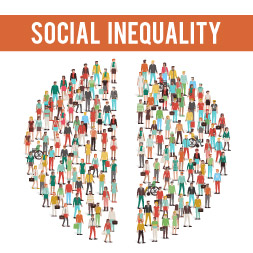
The free online course Sociology Studies - Social Inequality is the second in a series of online courses that gives the leaner an understanding of inequality in society and how many of these inequalities have come about. The course begins by using the United States as a case study where learners will explore open and closed stratification systems including caste and class systems along with the idea of an ideal system based on merit. You will then look at social stratification globally, looking first at how countries are classified and the cyclical nature of poverty and how this affects the poorest countries. Next, you will explore race, ethnicity and minorities, the prejudices and discrimination that occur and why they persist in a society. You will also learn about gender, gender identity and gender roles and why these are commonly associated with inequality due to historically strong cultural norms. Finally, you will learn about education, how prejudices often persist at an institutional level, and how this impacts on the individual throughout their life. This free course will be of great interest to anyone with an interest in areas as diverse as medicine, politics, law, urban organization, and marketing, and anybody who would like to know more about inequalities within a society.<br />

Sociology Studies - Social Institutions is the third in a series of four free online courses and this course will give you an understanding of social institutions and how they establish patterns of rule-governed behaviours. You will learn how sociology defines family, the variation in family structures and what the social impact of changing family structures is along with the challenges faced by families through divorce and abuse. Next you will look at religion from a sociological perspective and get an understanding of the different types of religion, and how religion has brought about social change. You will also study power and authority and its use in government and politics. The course describes different types of authority and the various forms of government from dictatorships and oligarchy to democracy. You will also learn what affect race, gender and class have on voter participation and electoral outcomes. The world of work and the economy are explored next with a focus on capitalism and socialism, both in theory and practice. You will also review the pros and cons globalisation in modern society. Finally, the course covers healthcare from the social construction of health and medical sociology to global health and social epidemiology. You will also explore the differences between low and high income nations. Using the United States as an example you will explore healthcare issues such as access for different socio-economic groups, mental health and disability issues and the correlation between medicalisation and stigmatisation. This free online course will be of great interest to professionals working in areas as diverse as medicine, politics, law, urban organization and marketing. It will also be of great interest to all learners who would like to know more about how cultures and societies evolve and change.<br />

Understanding Social Change is the last in a series of four free online courses that will give you an understanding of how society changes through social movements and how these changes are researched. You will learn about the role of social movements in a changing society, and why and how these movements form and evolve over time. You will learn about crowds and collective behaviour along with the emerging norms in a society. You will learn about how sociological research is carried out using scientific methods and the different methods used, such as surveys and field research as well as ethical considerations that need to be considered when doing research. The course also reviews key social areas, such as aging, media, technology and deviance. You will learn how sociology defines deviance or non-conformity and how it differs from crime. For example, Rosa Parks violated social norms when she refused to move to the "black section" of a bus, yet her "deviant behaviour" advanced civil rights for all African Americans. You will also look at how crime is categorized and the different areas of the criminal justice system. The course then reviews how new technologies, particularly in the area of the media, impact societies globally and the divide between those who have early access to new technology and those who don't. You will also study the effect new media, television and advertising have on social homogenization and social fragmentation. As the role of the elderly in society changes, you will learn how this impacts on their lives through the need to work longer, and by being disenfranchised and sometimes abused. The course reviews how society will need to plan for and fund more resources in the future to support a growing elderly population. This course will be of great interest to professionals in areas as diverse as medicine, politics, law, urban organization and marketing, and anybody who would like to know more about how cultures and societies evolve and change.<br />

The free online course Diploma in Sociology introduces you to societies and their structure, how cultures evolve and what social processes cause them to change. The course begins with an explanation of what sociology is and gives an overview of the three main theories in sociology. You will learn how culture is defined, what differentiates one culture from another and what is common to all cultures. You will then be introduced to inequalities in society and how these inequalities have come to cause social stratification in countries across the world. Next you will explore sociological factors that affect race, ethnicity and minorities as well as gender and gender identity, and the range of prejudices and discrimination that occur in these areas and why they persist. You will learn how sociology defines family, the variation in family structures and you will explore the social impact of changing family structures. The course then reviews the role of religion in society and how it has brought about social change. The world of work and the economy are explored with a focus on capitalism and socialism, both in theory and practice. You will get an understanding of how society changes through social movements and how sociology defines deviance or non-conformity. You will explore how new technologies impact society globally, particularly the divide between those who have early access to new technology and those who don't. You will look at the changing role of the elderly in society and the impact it has on their lives. You will also learn about crowds and collective behaviour along with the emerging norms in a society. Finally, you will look at how sociological research is carried out using different research methods and techniques. This free Diploma course will be of great interest to professionals working in areas as diverse as medicine, politics, law, urban organization and marketing. It will also be of great interest to all learners who would like to know more about how cultures and societies evolve and change.<br />

Identity theft is an increasingly common crime. The term 'identity theft' refers to criminals obtaining information about you or your customers that can then be used to make purchases or enter into contracts in your name or in your customers' names. Identity theft can result in direct financial loss, damage to credit ratings, difficulty getting loans and credit cards, and months of reorganising financial accounts. Identity theft isn't only carried out through computers and the Internet, other methods include retrieving unshredded documents from rubbish bins or bags and criminals contacting you directly and pretending to be from a legitimate organisation in order to obtain personal data. Fortunately there are many preventative measures you can take to substantially reduce the chance of your identity being stolen. This course will show you the steps you can take to minimize damage if you become a victim of this crime. This course will give you the tools to protect yourself and your staff by highlighting the issues around identity theft. This free course will be of great interest to all learners who would like to protect both themselves and their businesses from the damaging effects of identity theft.<br /><br />

The free online course Introduction to Caregiving is designed to expand your knowledge and understanding of the skills needed to work in the caregiving profession. As people get older, their abilities to perform the everyday tasks that many of us take for granted diminish. Carers need to be available to provide those individuals with the help and assistance that they require to live as independently as possible. This course will help you develop the fundamental skills used by carers during their day-to-day duties. The course begins by discussing the fundamental roles and responsibilities of a carer. You will learn about the basic legal and ethical issues of providing care and develop an understanding of the importance of confidentiality in the caregiving process. You will then learn about the skills necessary to ensure that you can communicate effectively with all members of the care service team. You will learn how to communicate respectfully with all clients that you may encounter as a carer, including clients who are wheelchair bound, visually impaired and mentally impaired. Finally, you will learn about the job management skills that carers require to perform their duties efficiently and effectively. This free course will be of great interest to any learner considering pursuing a qualification that would allow them to enter the caregiving industry. The course will be of great interest to all professionals working in the caregiving profession and who wish to ensure that that their skills are kept to the highest standard possible. This free course will also be of great interest to any learner considering pursuing a qualification that would allow them to enter the caregiving industry. <br />

The free online course Health and Safety for Caregiving is designed to ensure that you have the skills and knowledge necessary to keep both yourself and your clients safe while you perform your duties as a caregiver. A client may suffer a serious fall, seizure or even a diabetic emergency and carers need to be able to deal with any emergencies that they encounter in a calm manner. This course will help you develop the skills necessary to deal with a range of medical and physical emergencies, allowing you to provide care to your client with greater peace of mind. The course begins by introducing you to a variety of medical conditions that carers may encounter when working with clients. You will learn how to identify their symptoms, prevent their spread and, if necessary, treat them. You will then study the role that nutrition and hydration play in keeping your clients healthy. You will learn how to prepare healthy, nutritious meals for a wide range of diets including diabetic, celiac and lactose intolerant. You will also develop an ability to prevent foodborne illness by preparing meals in a safe environment. The course then continues to examine a further range of emergencies that you may encounter when working with a client. You will learn how to identify a range of medical emergencies including anaphylactic shock, diabetic attacks and strokes. You will then examine the correct actions to be taken and how to protect your client in each case. You will then examine other risks, including falls and fire safety. You will learn how to treat your client in the event of a fall and prevent or extinguish a fire should one occur when you are with a client. The course will be of great interest to all professionals working in the caregiving profession, who wish to ensure that their skills are kept to the highest standard possible. This free course will also be of great interest to any learner considering pursuing a career in the caregiving industry. <br />
The free online course Caregiving Skills - Dementia Care is designed to ensure that you have the skills and knowledge necessary to provide effective care to clients who have been diagnosed with dementia. The number of people living with dementia worldwide is currently estimated at 47.5 million and is projected to increase to 75.6 million by 2030. If you are formally employed in the caregiving industry, or simply provide care to an elderly relative or loved one, you will more than likely encounter dementia at some stage during your duties. This course will help you develop the physical and mental skills needed to provide care to clients who have been diagnosed with mild, moderate or even severe dementia. The course begins by helping you understand what exactly is meant by dementia. You will examine the various forms of dementia that exist and study their symptoms, causes, and how they affect the lives of those who must live with them. You will then examine Alzheimer’s disease, the most common form of dementia that you are likely to encounter as a caregiver. The course then proceeds to introduce you to a range of skills that will help you provide effective care to clients with dementia. You will study effective non-verbal and verbal techniques of communicating with clients with dementia. You will also examine common problematic behaviour traits that clients with dementia can exhibit and study the most efficient ways to prevent them. Finally, you will examine the importance that activities play in effective care of clients with dementia. You will learn how to plan and implement activities for clients with mild, moderate or severe dementia in order to cognitively and socially engage them. The course will be of great interest to professionals working as caregivers and who wish to ensure that that their skills are kept to a high standard, or those who provide care to a loved one or relative with dementia.<br />

The free online course Elderly Care and Caring for the Disabled is designed to ensure that you have the skills and knowledge necessary to provide effective care to any elderly or disabled clients in your care. People are living longer and as we age our bodies operate less efficiently. The course begins by helping you understand how aging affects the body. You will examine the manner in which various organs and systems throughout the body deteriorate due to the aging process. You will then study the various medical conditions that can result from such deterioration. You will learn how to identify them, how they will affect your clients’ lifestyle and how they will influence the type of care you provide to clients. A further aspect of life is that due to accidents or medical conditions people develop disabilities. The course then examines spinal cord injuries and traumatic brain injuries which are the most common injuries that cause individuals to require fulltime care. You will examine the various forms of brain and spinal cord injuries and the effects that they can have on the individual’s lifestyle. The course concludes by reviewing the emotional impact that such traumatic injuries can have on the client, their families and the carer. You will learn about the skills necessary to support the client and their family through the care process, and if necessary, help them prepare for death. The course will be of great interest to professionals working as caregivers and who wish to ensure that that their skills are kept to a high standard, or those who provide care to a elderly or disabled. <br />

The free online course Diploma in Caregiving is designed to provide you with the knowledge and skills necessary to provide effective care to any clients or family members that you may find in your care. This course will cover a broad range of topics that will help you become a successful carer who holds your clients' best interests at heart. The course begins by introducing you to the fundamental roles and responsibilities that a carer holds. You will learn about the basic legal and ethical issues of providing care and develop the skills necessary to ensure that you can communicate effectively with all members of the care service team and the client. You will then study the health and safety skills necessary to keep both yourself and your clients safe while you provide them with care. As a caregiver, whenever you are with your clients, you face a variety of risks. As a carer you need to be able to deal with any emergency that you encounter in a calm manner. This section of the course will help you develop the skills necessary to provide care to your clients with greater peace of mind. The course then focuses on providing care to clients who have been diagnosed with dementia. You will develop an understanding of what exactly dementia is. You will also examine the various forms of dementia that exist and study their symptoms, causes, and how they affect the lives of those who must live with them. The course then introduces you to a range of skills which will help you provide effective care to clients with dementia, such as communication techniques and behaviour management. The course then concludes by examining the skills necessary to provide care to elderly or disabled clients. You will develop a strong understanding of how aging and a range of disabilities affect the body. You will then learn how to develop strategies to adapt the care you provide to any elderly or disabled clients you find in your care. This free diploma course will be of great interest to all professionals working in the caregiving profession, who wish to ensure that that their skills are kept to the highest standard possible. The course will also be of great interest to any learner who is interested in a career in the caregiving profession. <br />

The free online course Introduction to Strategic Management introduces you to the concept of strategic management and how management can use the principles underlying strategic management to formulate and implement major goals and initiatives. The course explains what a mission statement is and what it can achieve for a business. You will learn what parameters should be included in a strategic plan and how a strategic plan should help determine long-term decisions including an organization's objectives, goals and course of action. You will learn how clearly stated mission statements add focus to the organization's efforts. You will learn the difference between operating decisions and strategic decisions and what a strategic management decision process involves. You will also learn more about experience curves and how they are used in business strategy. Finally, you will learn about doom loops, how a business can avoid getting into a doom loop, and what steps can help a business get out of a doom loop if they are already in one. This course will be of great interest to all professionals working in management, who are involved in making strategic decisions, and to all learners who would like to learn more about the role of strategic management in business. <br />

The free online course Strategic Management - Decision Making Process and Tools looks at how top managers use the decision making process and associated tools to implement long-term goals and objectives. The course begins by introducing you to the decision making process involved in strategic management. You will learn about important decision making steps, from determining the mission or purpose of an organization to specifying objectives and goals to formulating a strategic plan and through to monitoring, reviewing and evaluating the strategic plan. The course then introduces you important topics in strategic management, such as strategic competitiveness, strategic risk, strategic flexibility, and internal and external analysis and what role they play in the decision making process. Finally, you will learn more about the 7-S Framework from McKinsey. This management model is used as an organizational analysis tool to assess and monitor changes in the internal situation of an organization. The components of the 7-S Framework are: Structure, Systems, Style, Staff, Skills, Strategy and Super Ordinate Goals. You will learn how a change in any one of these components of an organization can be analyzed to determine its effect on the other components. This course will be of great interest to managers and professionals in the area of strategic management, who would like to learn more about effective decision making processes that can guide a business’s future direction.<br />
Add to calendar

Trusted paper writing service WriteMyPaper.Today will write the papers of any difficulty.