

Courses tagged with "Business Law" (33)

The resources available to individuals and society and the prices of goods in the market shape our choices - even about the food we eat and the weight at which we live. This course explores the economic motivation for consumer choice and the economic role of government in markets related to obesity.

This course covers the basics of normal nutrition for optimal health outcomes and evidence-based diets for a variety of diseases.

Explore how food intersects with public health and the environment as it moves from field to plate.

This course will provide a coherent, understandable look at the evidence on how nutrition and physical activity impact health through lower morbidity, longevity, and quality of life.

This course will introduce you to some of the science behind food preparation, cooking methods, and generally, the enjoyment of food. The ultimate goal is to inspire you to apply scientific principles in your everyday cooking, including the principles of manipulating the human perception of food.

This seven week course will explore nutrition concepts that take center stage in mainstream media outlets and become conversation topics among consumers interested in food choice as it relates to optimal health and physical performance.

This introductory course provides an overview of the principles of nutritional science. Subject matter includes description and functions of nutrients, digestion and absorption, effects of nutrient deficiencies and toxicities, requirements, food sources, nutrient interactions, dietary guidelines, and the role of nutrition in health and disease.

This course will cover the agricultural and urban water quality issues in Florida, their bases, land and nutrient management strategies, and the science and policy behind the best management practices (BMPs). Students will learn to evaluate BMP research and analyze its role in determining practices and policies that protect water quality.

This course emphasizes the role of economics regarding its influence on food prices, the environment, and government policies. The primary objective of this course is to explore the basic tool kit of economic concepts that will enable students to critically analyze the choices they face as consumers and world citizens.

This course explores the diversity of the foods we eat, the ways in which we grow, process, distribute, and prepare them, and the impacts they have upon our environment, health, and society. We will also examine the challenges and opportunities of creating a more sustainable global food system in the future.

This course will provide you with an overview of the most important health challenges facing the world today. You will gain insight into how challenges have changed over time, we will discuss the likely determinants of such changes and examine future projections. Successful international strategies and programs promoting human health will be highlighted and global health governance structures will be mapped and the role of the key actors explored.

The New Nordic Diet is a new food culture which emphasizes gastronomy, health, and environment. This course presents the scientific background of the New Nordic Diet, the world’s largest research project into adult and child health and well-being, and will help you better understand the global challenges such as obesity and obesity-related diseases.

Let’s make history together - again! 让我们再一次创造历史!

Learn the basics of child nutrition and how to make healthy meals for healthy children and families in version 2.0 of the "Just Cook" class.

Learn about the impact of infectious disease on sustainable animal-based food production by understanding the science of growth, immunity, and infection and by learning the problem-solving skills needed to advance animal health and food production through optimal management practices.

"The Age of Sustainable Development" gives students an understanding of the key challenges and pathways to sustainable development - that is, economic development that is also socially inclusive and environmentally sustainable. NOTE: Course will launch at noon on September 9, 2014.

Learn how to make effective decisions about your future career and how to take control of your professional development by honing your critical thinking and employability skills. Suitable for anyone undertaking some form of study, regardless of academic discipline, interests or employment background.
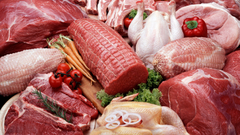
The Meat We Eat is a course designed to create a more informed consumer about the quality, safety, healthfulness and sustainability of muscle foods and address current issues in animal agriculture in developed and developing countries.

This online course will provide information on the history, traditions, rituals, herbs and remedies and video demonstrations of Curanderismo, a folk healing tradition of the Southwestern United States, Latin America and Mexico. The course will discuss the effectiveness of traditional medicine in order to meet the needs of many people, especially the uninsured.

Whether you are an outstanding or a struggling student, "Learning How to Learn" will give you powerful mental tools that will help you learn more effectively in tough-to-master subjects. You will discover practical, immediately useful insights that will help you to more deeply master your studies.
Add to calendar

Trusted paper writing service WriteMyPaper.Today will write the papers of any difficulty.